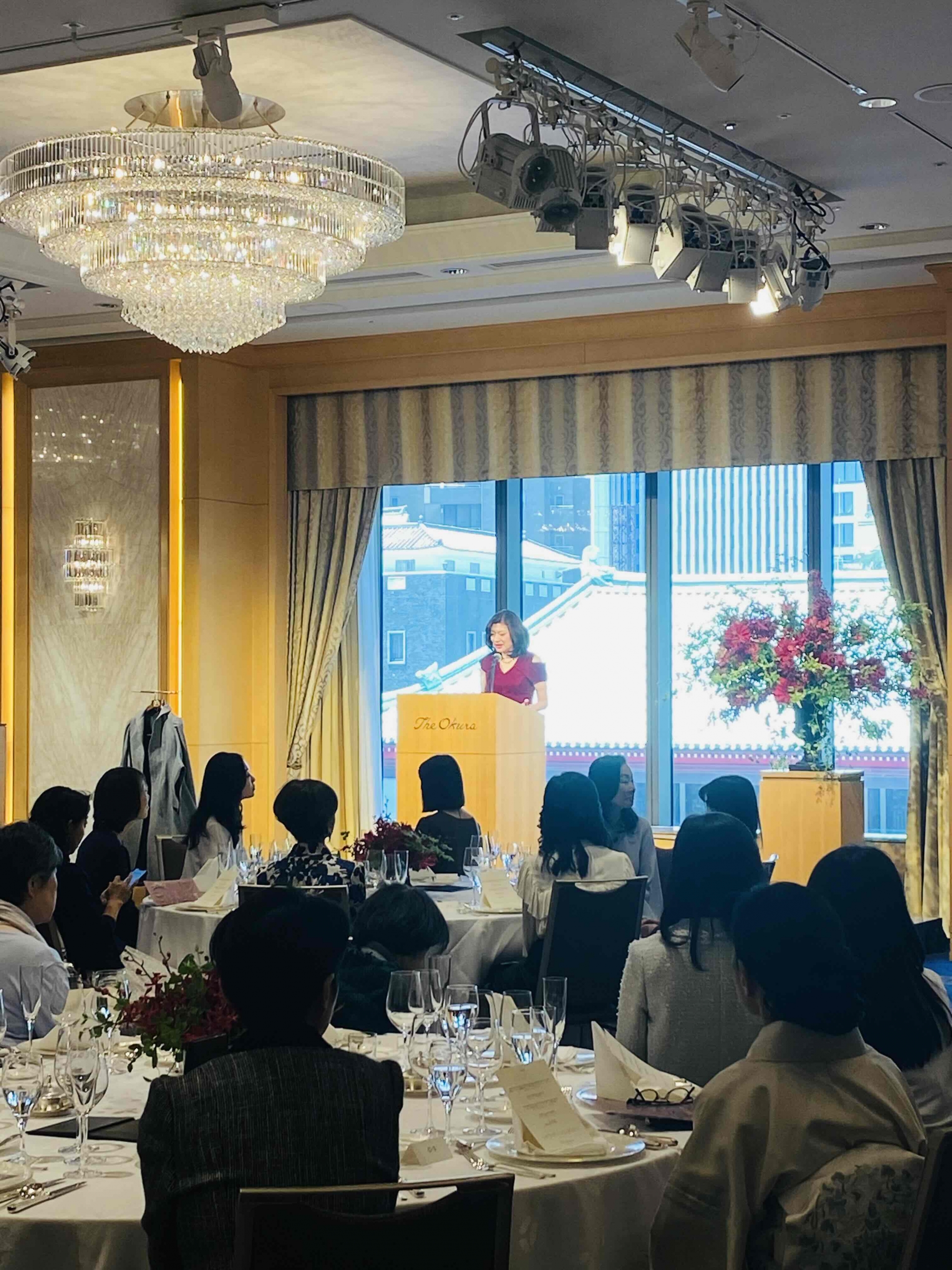
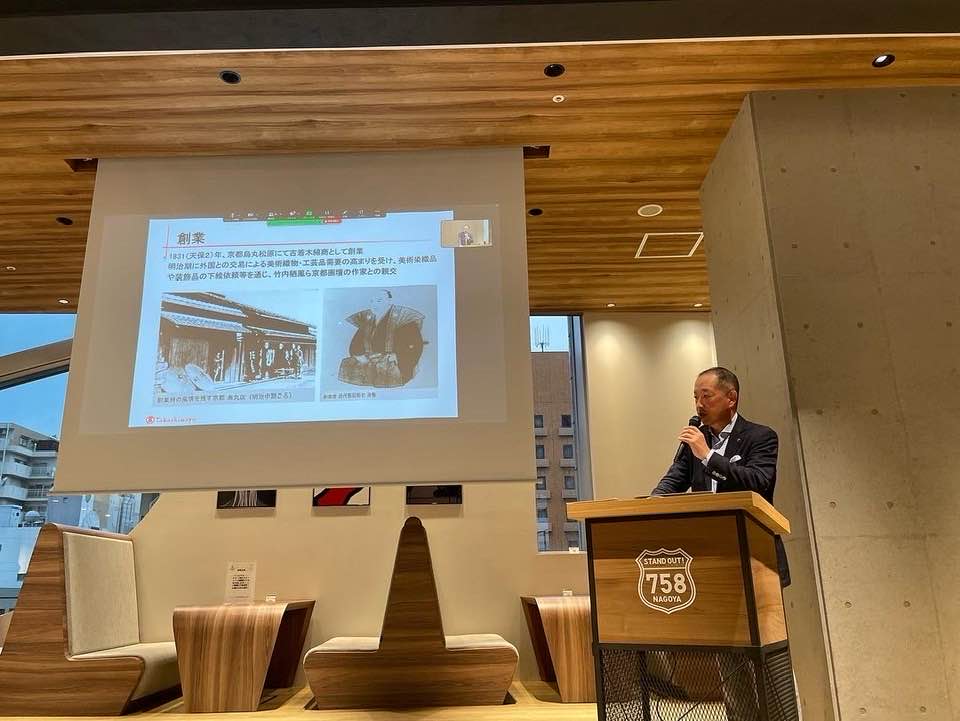
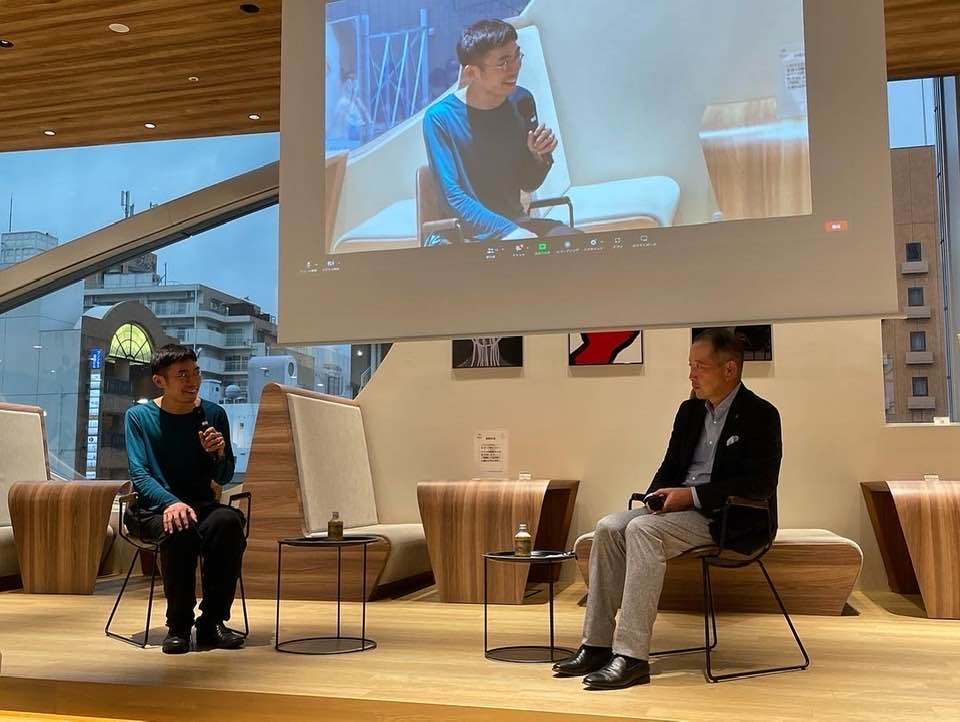
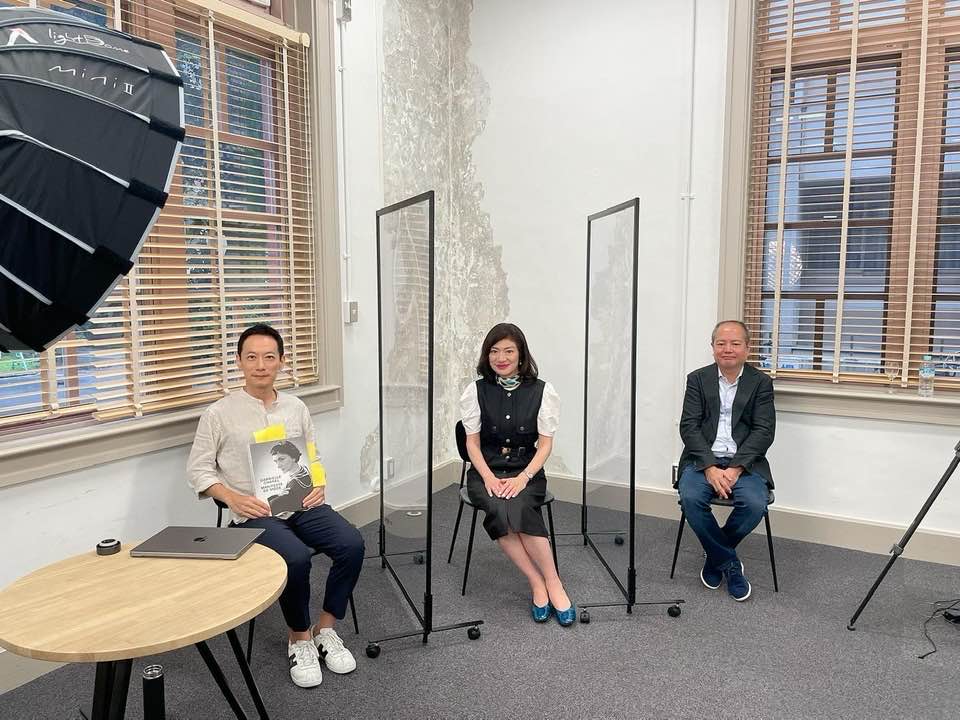
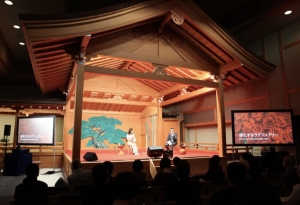
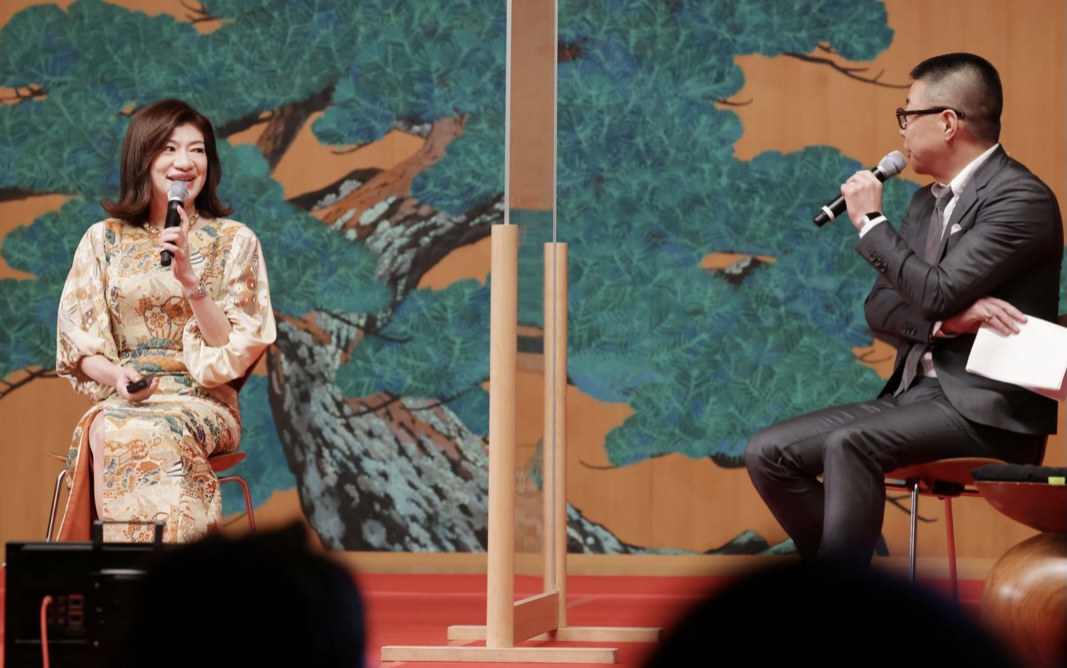
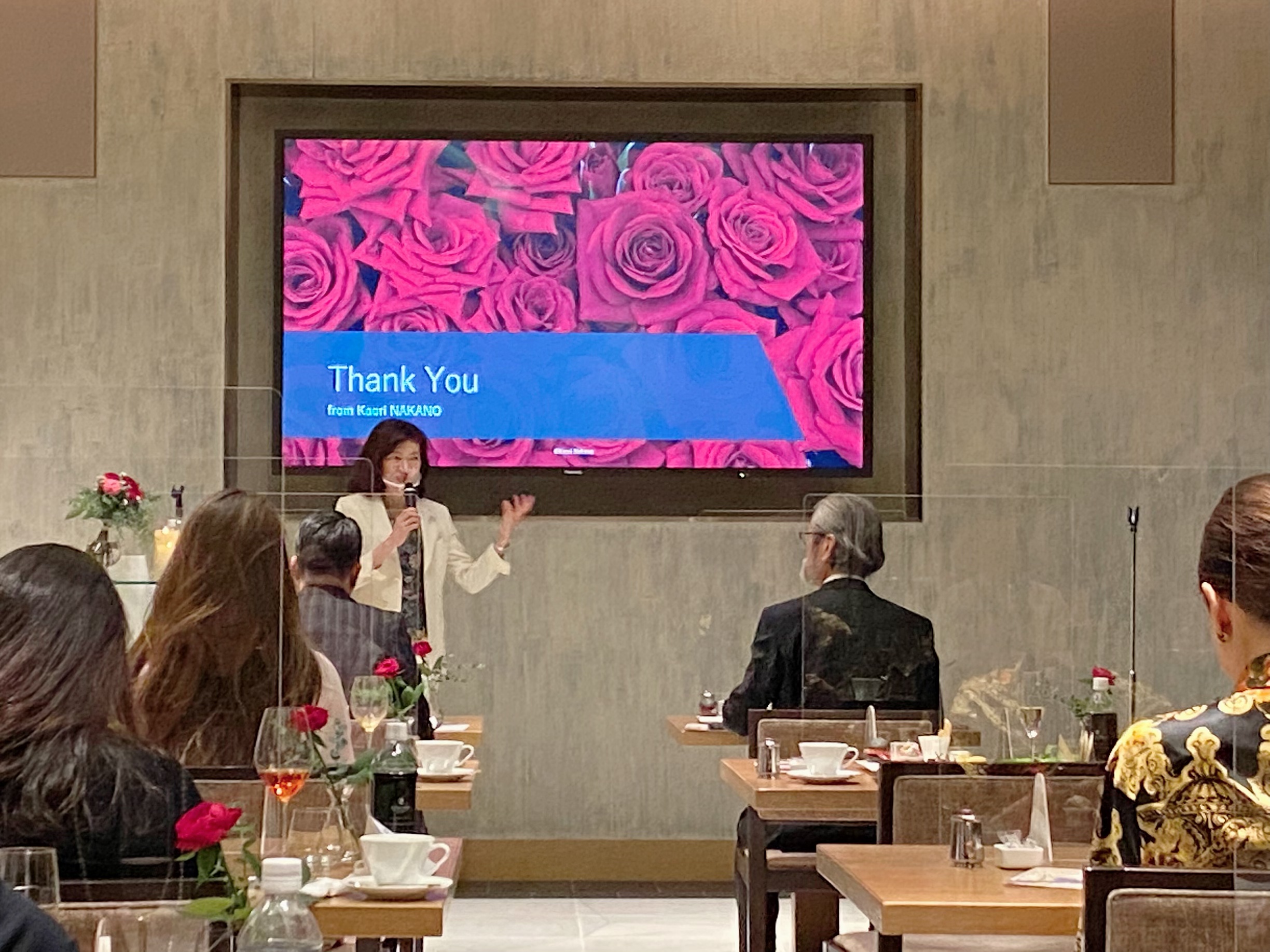
レクサス富山主催「新しいラグジュアリーを求めて」。初日午後は、清川北斗さん(美術作家)、釋永岳さん(陶芸家)、そして尾崎迅さん(鋳造・研磨)と登壇しました。
美はどこから生まれるのか?
美術作家の清川北斗さんは、「無駄を削ぎ落とした機能の純化に美は宿る」と語ります。道具や工業製品にも通底する、本質だけを残す姿勢です。陶芸家の釋永岳さんは、「鋭さや脆さ、わずかな不均衡にこそ惹かれる」と言います。不完全さが生み出す緊張と余白です。鋳造・研磨に携わる尾崎迅さんは、「光と影、素材と空間、人と物の関係がつくるバランス」を重視します。機能・不完全・関係性。ここに日本的な美はたしかに立ち上がるように感じます。
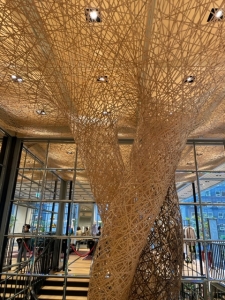
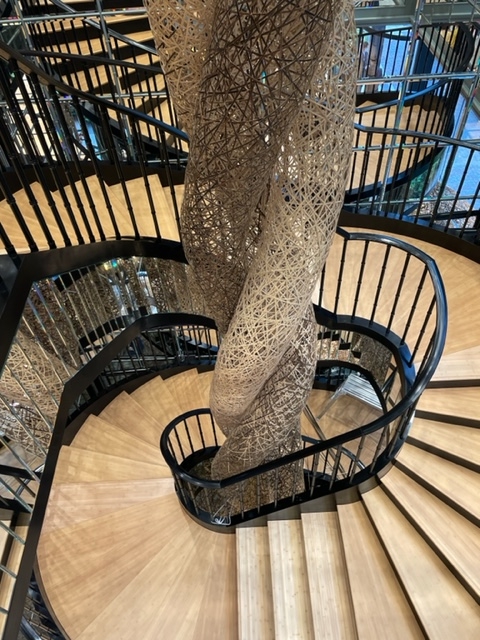
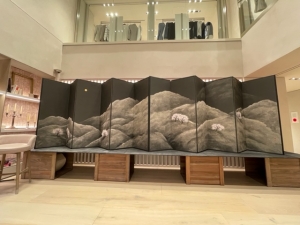
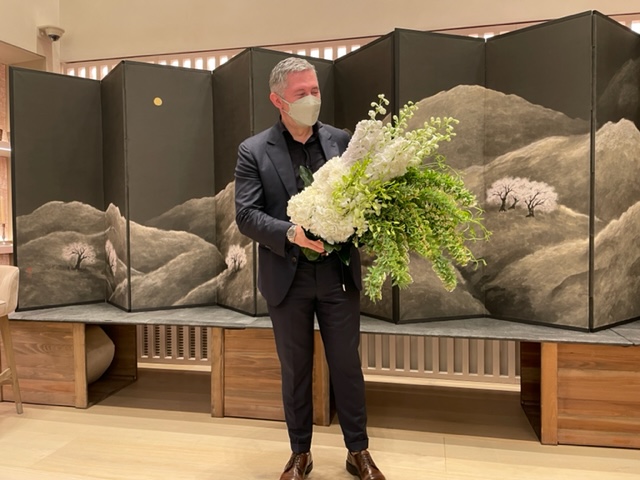
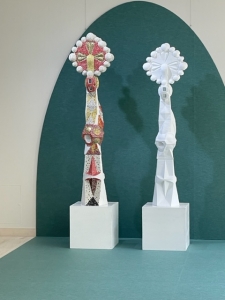
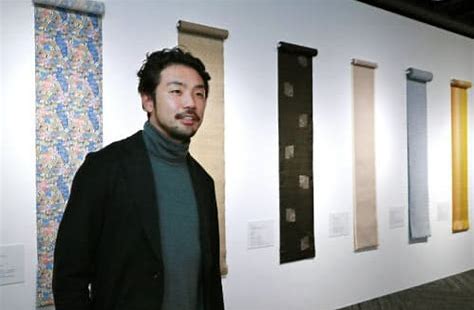
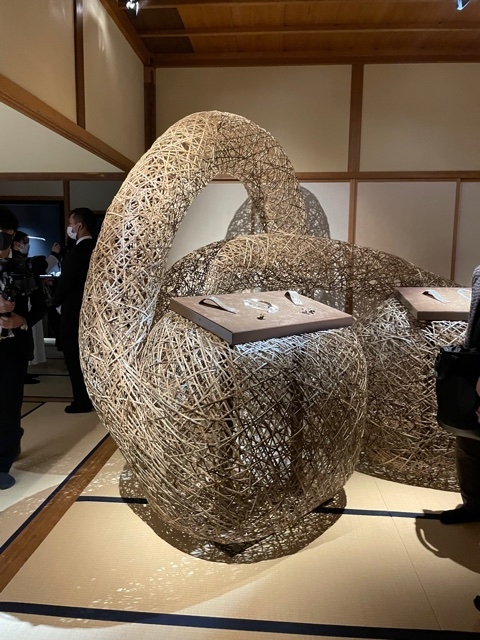
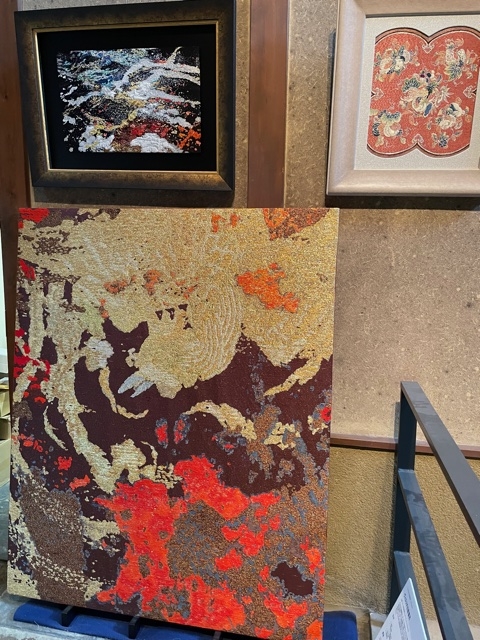
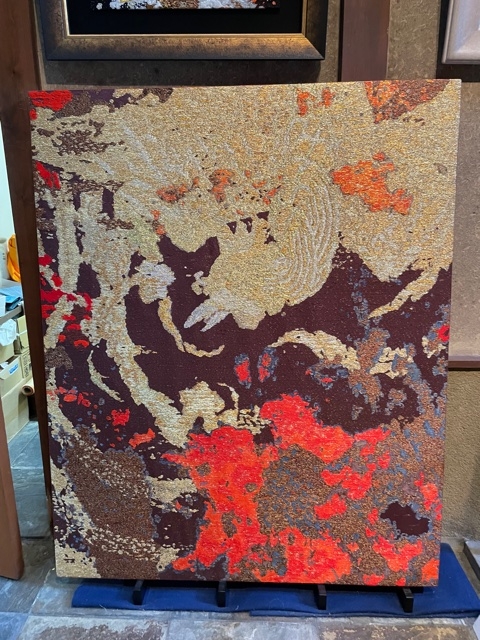
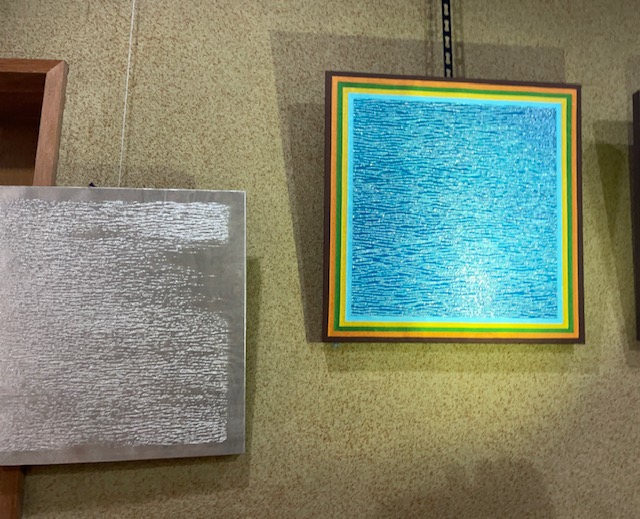
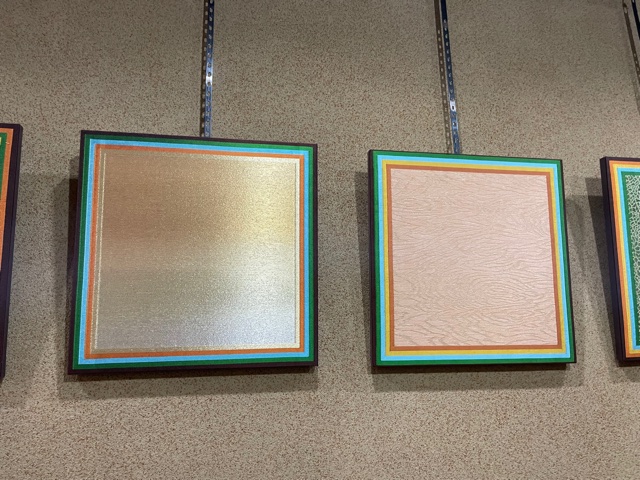
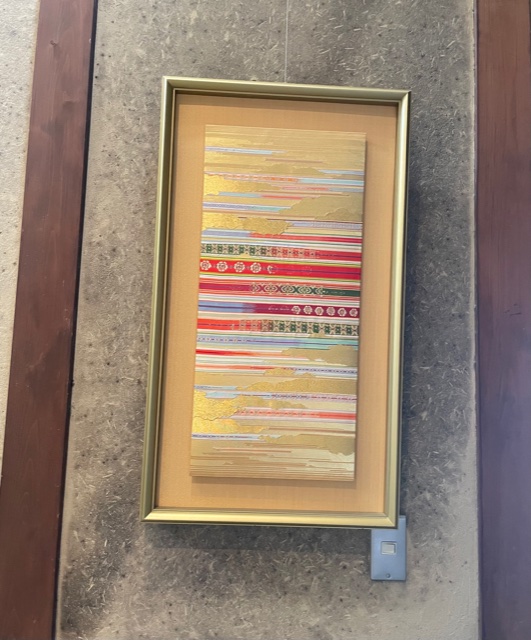
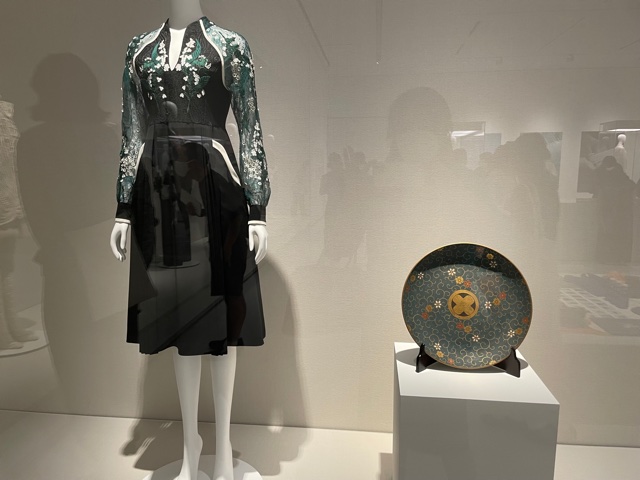
 (清川さんの作品)
地域との関わり方も、三者三様でした。清川さんは、「個人の原風景が造形に作用する」と話します。たとえば、河川敷のすすきや若い日のバイクの記憶が、無意識にフォルムへ刻まれていくという見立てです。釋永さんは、地元の土に固執せず、他所の土をブレンドし、最適なバランスを探ります。そのうえで、「理想は地の土×薪窯×地の食が循環する景色」と、ローカルへの回帰と循環のビジョンも示しました。尾崎さんは、高岡に根づく鋳物の分業体制という地域資源に支えられてきたと語り、「地域は作家を縛るものではなく、技術と人が重なるインフラです」と位置づけます。三者の言葉から、地域は「色を誇示する旗」ではなく、「創造を支える資源」と位置付られるように感じます。
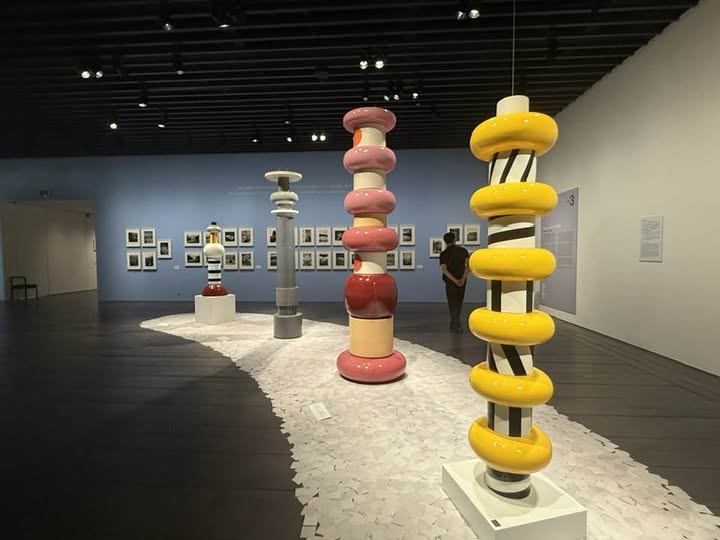
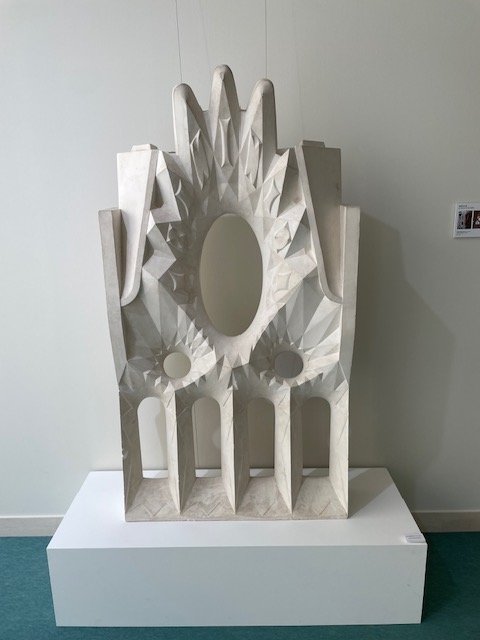
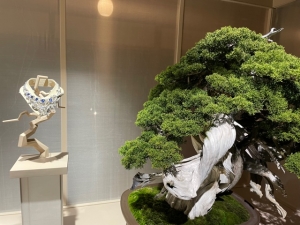
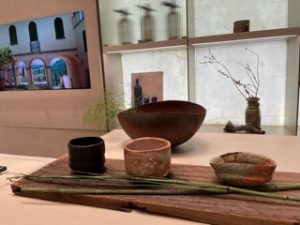
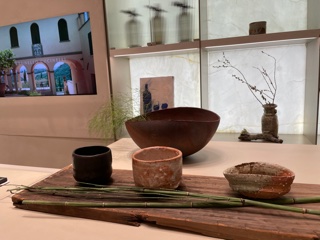
 (釋永さんの作品。一見、木に見えますが実は陶器。LEVOで用いられてブレイクしました)
企業との協働についても、重要な示唆がありました。清川さんは、「にぎやかしの一回性を避けるには、相互尊重・合意された目的・十分な対話・継続設計が不可欠です」と明確に言います。釋永さんは、「企業のノウハウを吸収できるのは自己成長の機会」と受け止めつつ、作品の軸をぶらさない姿勢を強調しました。尾崎さんは、「異なる価値観が混ざり合うことにこそ意義がある」とし、そのためにこそコミュニケーションを丁寧に積む必要があると語ります。共通するのは、コラボレーションを「双方の知を増幅し、文化に資する」ために行う、と捉えていること。
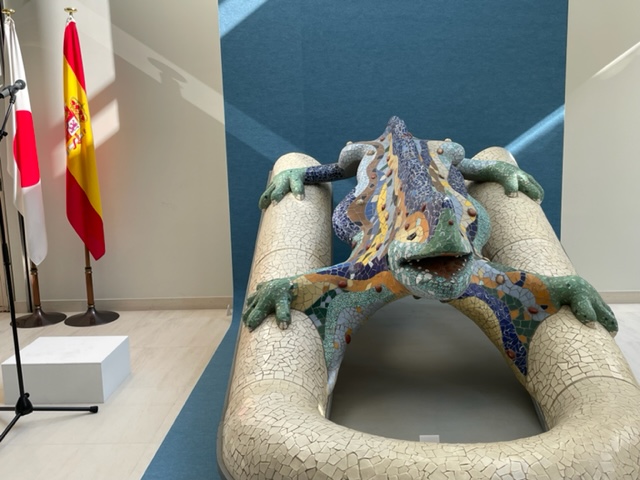
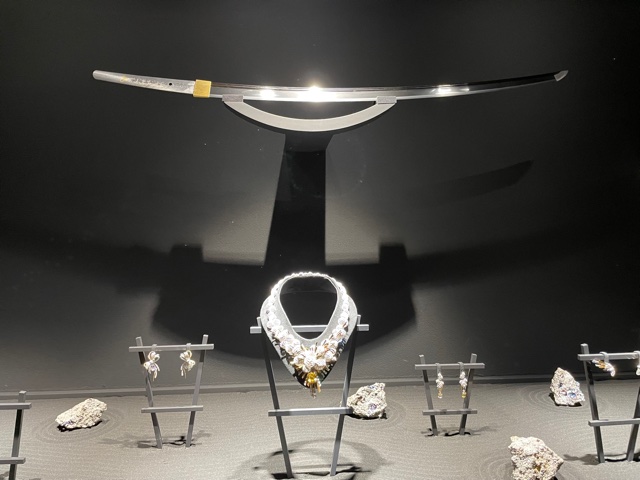
 (尾崎さんの作品)
海外での受容については、清川さんが「『日本を背負う』より、自分個人のやりたいことを追求するほうが世界で通用する」と言い切ります。個を徹底すれば普遍に通じる、という法則ですね。釋永さんは、海外の鑑賞者が強く「日本らしさ」を読み解こうとするがゆえに、「その一歩先の制作が開ける」と指摘しました。外から向けられる視線を鏡として、制作の解像度を上げていくヒントがここにあります。
では、ローカルラグジュアリーとは何でしょうか。個と地域と企業が、関係の質を上げ続ける営み、ともいえるでしょうか。その核には四つの質があると思います。
第一に「つながり(Connection)」。人と人、産地と都市、伝統と現代が編まれること。
第二に「親密さ(Intimacy)」。大量消費では得られない、あなたのための温度。
第三に「匠(Craftsmanship)」。時間と手間の蓄積がもたらす説得力。
第四に「個別認知(Recognition)」。作り手と受け手が互いに名をもって見つけ合う実感です。この四つが押さえられるとき、価格やブランド名では測れない豊かさが立ち現れます。
ローカルラグジュアリーは、遠い理想でも地方限定の郷愁でもありません。機能・不完全・関係が織りなす美を信じ、場所を資源として使いこなし、誠実な協働で「機能する文化」を育てていく。そうして初めて、地域から世界へ、世界からふたたび地域へ循環する、新しい豊かさの回路が生まれる…そんな帰結にいたったセッションでした。

Lexus Toyama’s event, “In Search of New Luxury.” On the afternoon of day one, I shared the stage with Hokuto Kiyokawa (visual artist), Gaku Shakunaga (ceramic artist), and Hayate Ozaki (foundry/casting and polishing).
Our theme was “The Pleasure of Form,” which quietly brought the contours of local luxury into focus.
Where does beauty arise?
Hokuto Kiyokawa noted that “beauty resides in the distillation of function once all excess has been pared away”—a stance that leaves only the essence, equally at home in tools and industrial objects. Gaku Shakunaga said he is “drawn to sharpness, fragility, and slight imbalance,” the tension and space that imperfection creates. Jin Ozaki emphasized “the balance produced by light and shadow, material and space, object and human,” using reflection and shade to coax matter toward his inner image. In the interplay of function, incompletion, and relation, one senses a distinctly Japanese beauty taking shape.
Their relationships to place were likewise three different paths. Kiyokawa explained that “a creator’s formative landscape shapes form”: memories like pampas grass along a riverbank or a youthful passion for motorcycles can be etched unconsciously into silhouette. Shakunaga refuses to cling to strictly local clay; he blends soils and searches for optimal equilibrium, while also envisioning “a cycle in which local clay, wood-fired kilns, and local food form a living circuit.” Ozaki spoke of being supported by Takaoka’s long-standing, highly specialized division of labor in metal casting, positioning “region not as a constraint on makers but as infrastructure where skills and people converge.” Taken together, their words suggest that region is less a flag of asserted color than a resource that sustains creation.
On collaboration with companies, their advice was clear. Kiyokawa stressed that avoiding one-off, attention-grabbing “noise” requires mutual respect, a shared purpose, ample dialogue, and a plan for continuity. Shakunaga views the absorption of corporate know-how as a chance for growth while insisting the core of his work must never waver. Ozaki finds value precisely in the productive mixing of different value systems—and for that, he says, careful communication and preparation are essential. What unites their views is the belief that collaboration should “amplify knowledge on both sides and serve culture.”
As for reception abroad, Kiyokawa was unequivocal: rather than “carrying Japan on one’s back,” pursuing one’s own work with uncompromising rigor is what resonates globally; the particular, pushed far enough, becomes universal. Shakunaga observed that because overseas audiences read “Japaneseness” so intently, “a path opens to work one step beyond it.” In other words, the outward gaze can serve as a mirror that sharpens the definition of one’s practice.
So what is local luxury? I would venture this: it is an ongoing practice in which individuals, regions, and companies continually raise the quality of their relationships—mediated by integrity toward materials. At its core are four qualities:
-
Connection — weaving person to person, production site to city, tradition to the contemporary.
-
Intimacy — a warmth “for you” that mass consumption cannot deliver.
-
Craftsmanship — the authority that accrues from time and painstaking effort.
-
Recognition — the felt experience of makers and recipients finding each other by name.
When these four are in place, a richness emerges that price tags and brand logos cannot measure.
Local luxury is neither a distant ideal nor a parochial nostalgia. It is a verb: trusting in the beauty woven by function, imperfection, and relation; treating place as a resource to be mastered; and cultivating a “culture that functions” through sincere, sustained collaboration. Only then do we begin to build a new circuit of richness—flowing from region to world and back again.

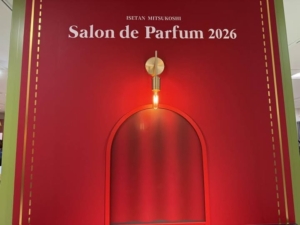
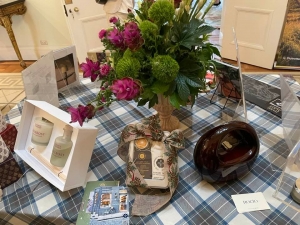
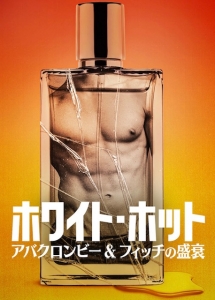
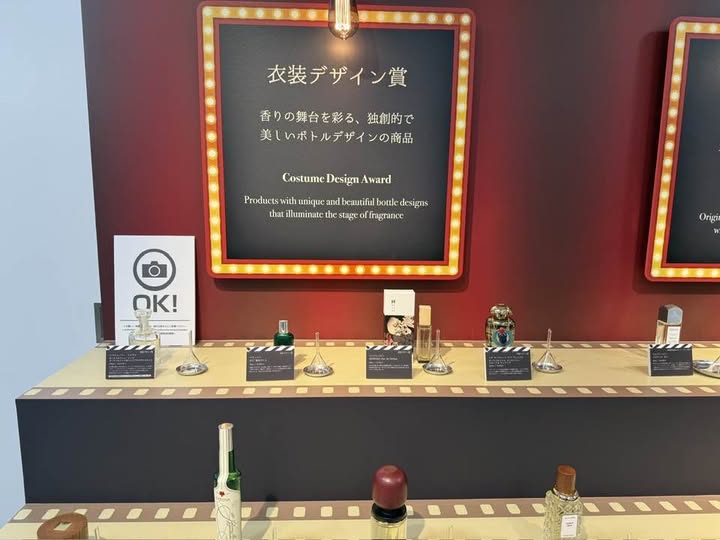 🌹「衣装デザイン賞」(ボトル)、「優秀脚本賞」(香調の変化)など映画界の各賞に見立てた演出が楽しい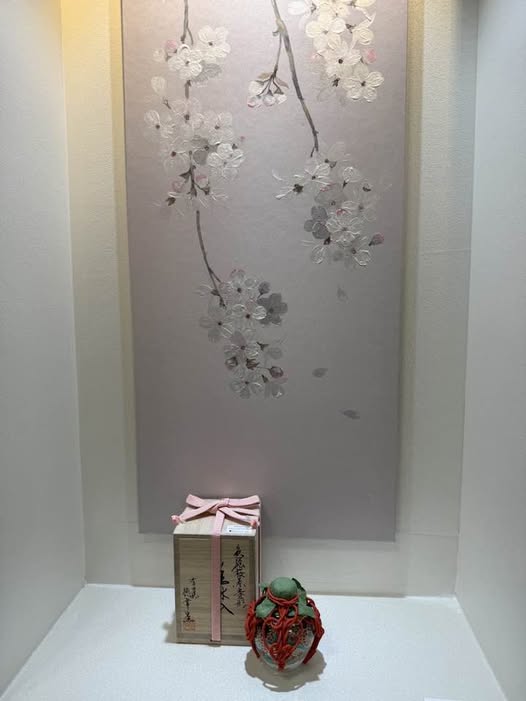
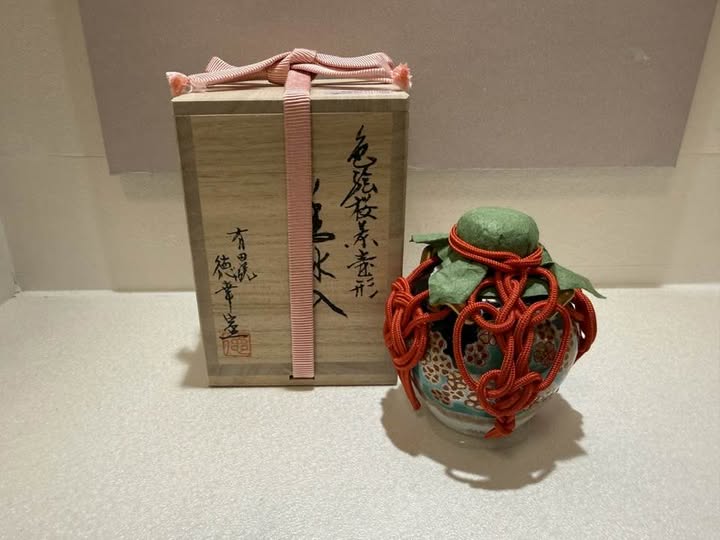
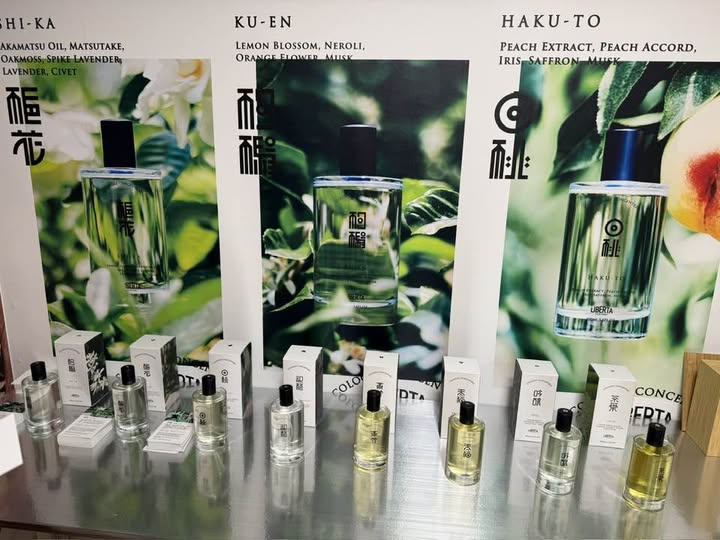 山根さんは今年、Asia Perfume FoundationのNiche Perfumer TOP 10 Finalistにも選出されています。期待。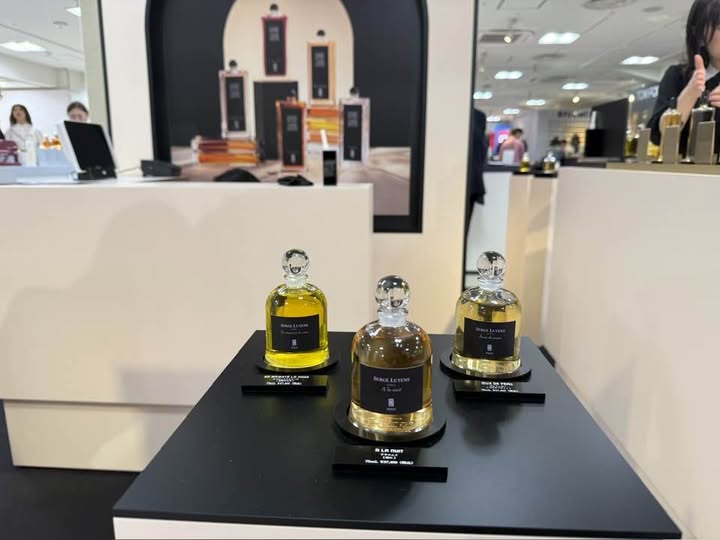













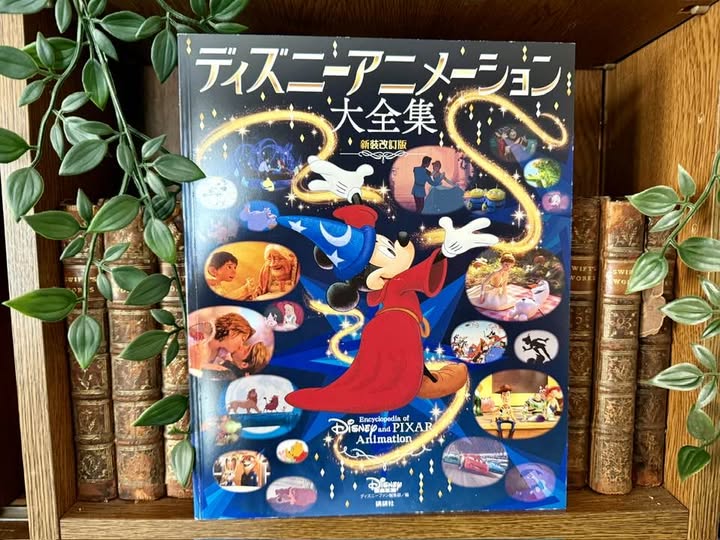
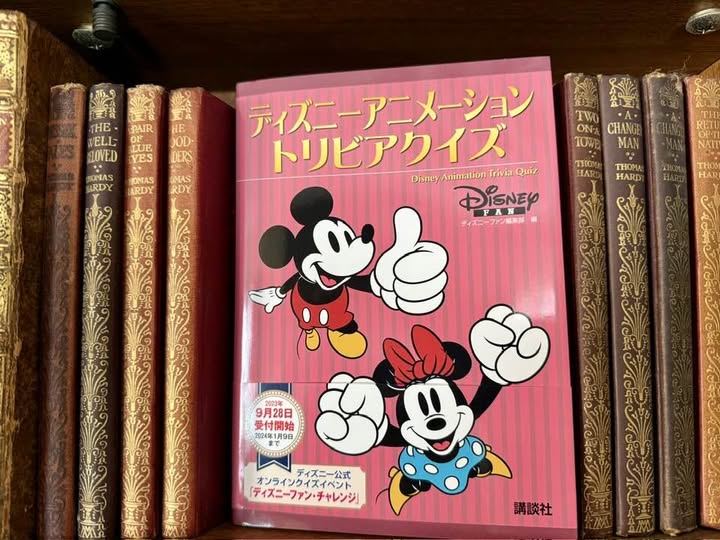
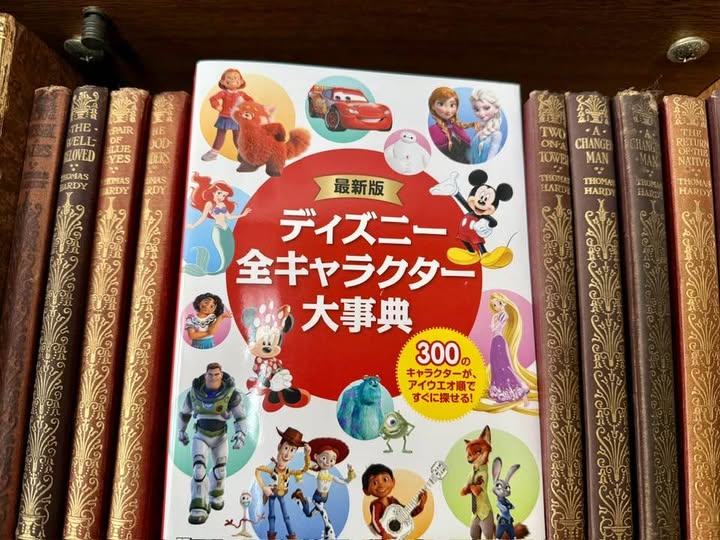
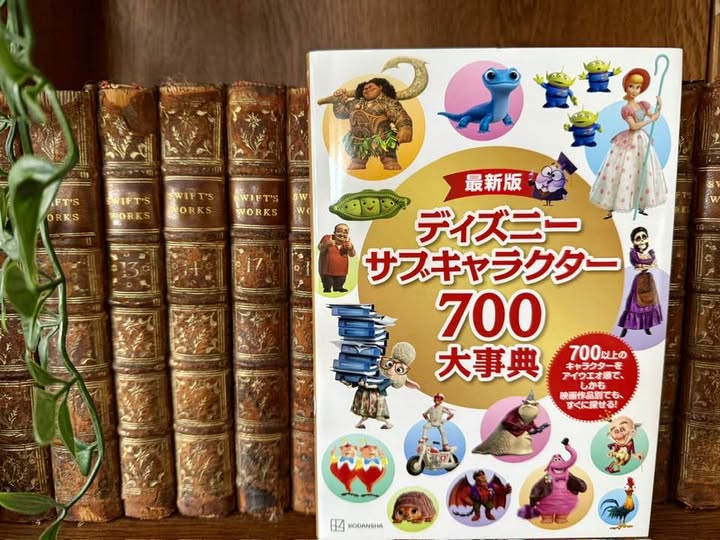
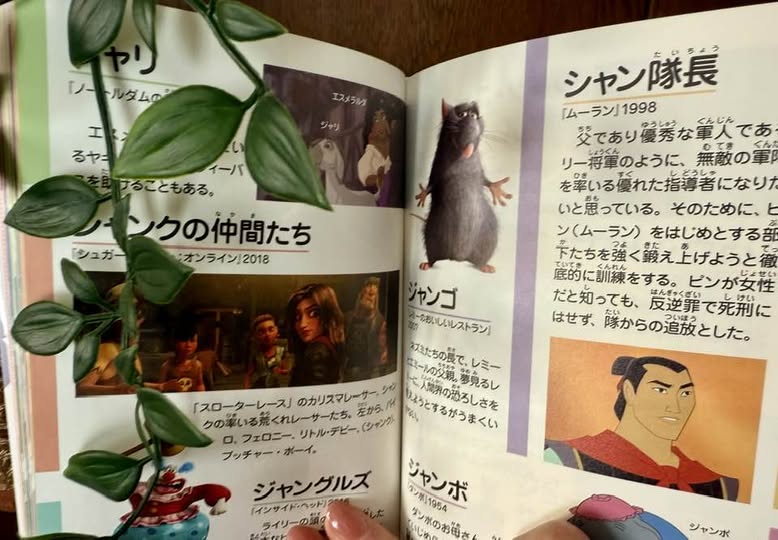
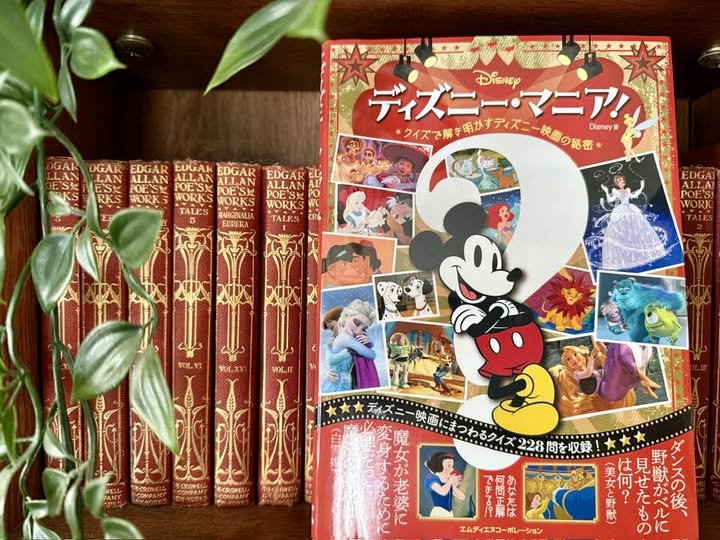

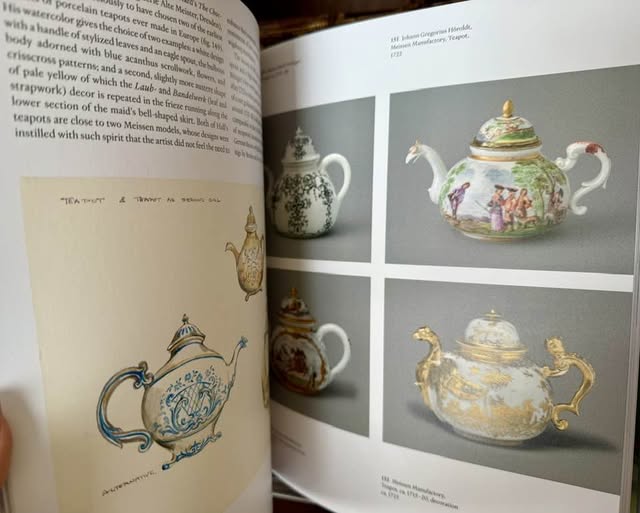


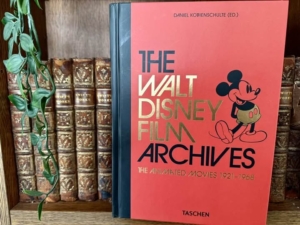
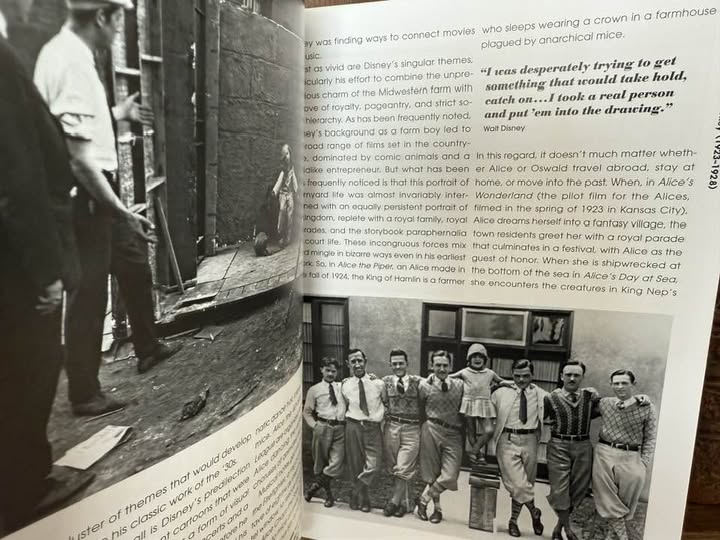















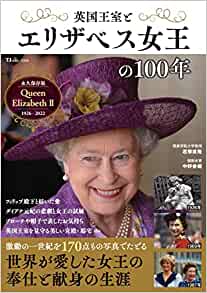

 (click to amazon)





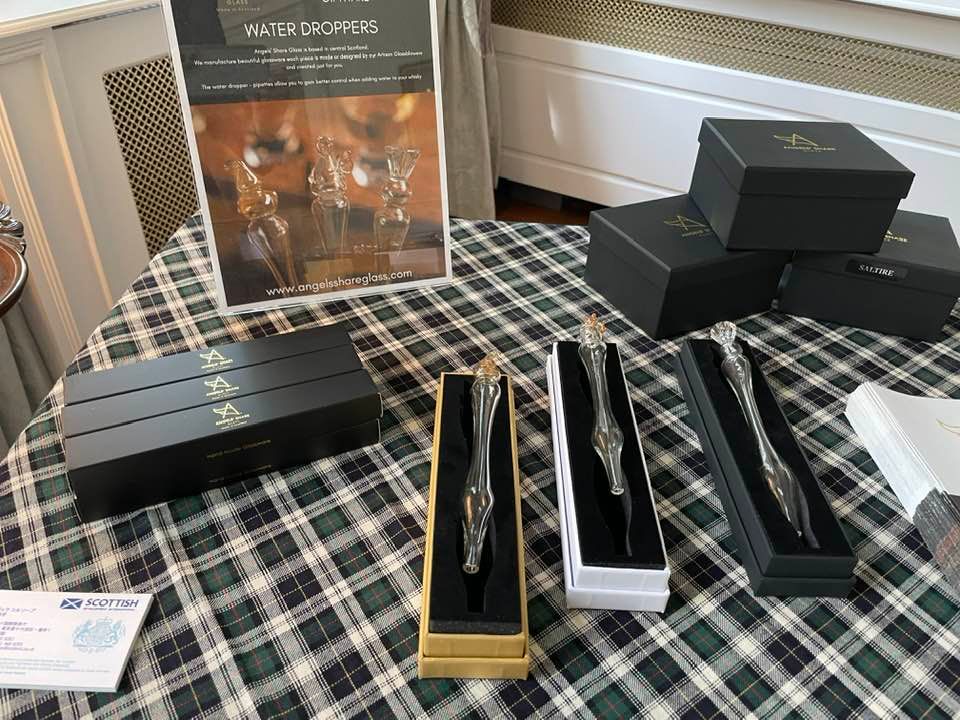
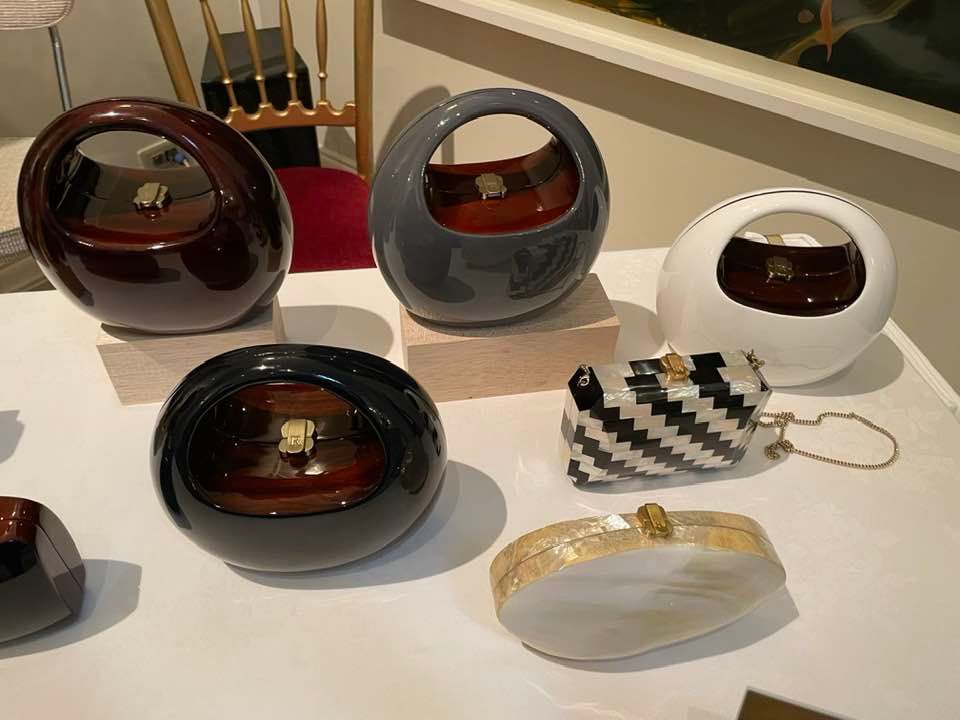
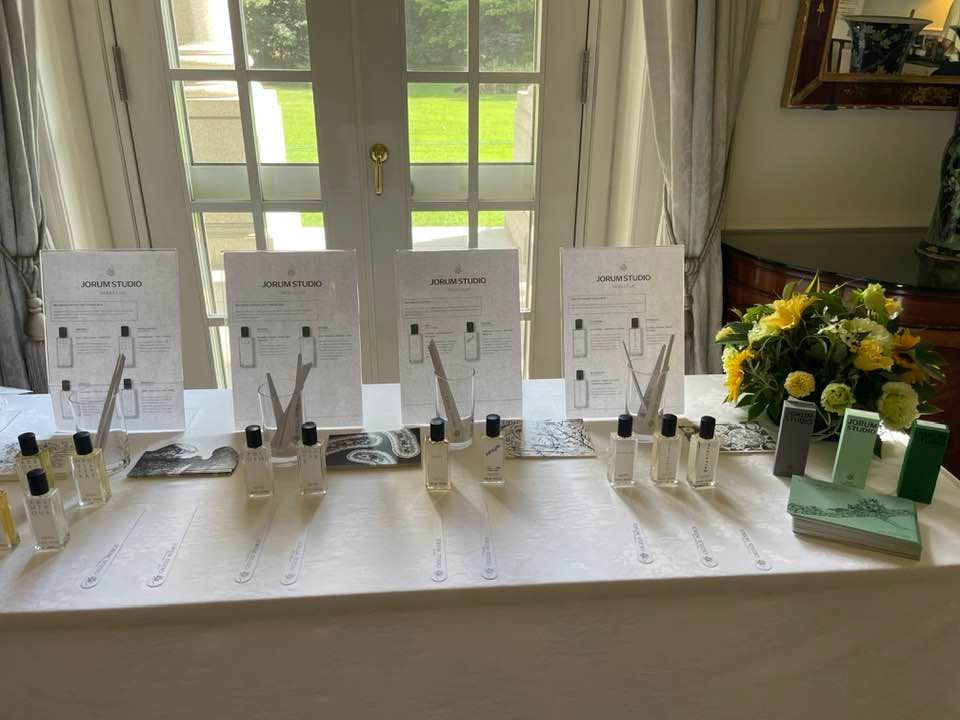
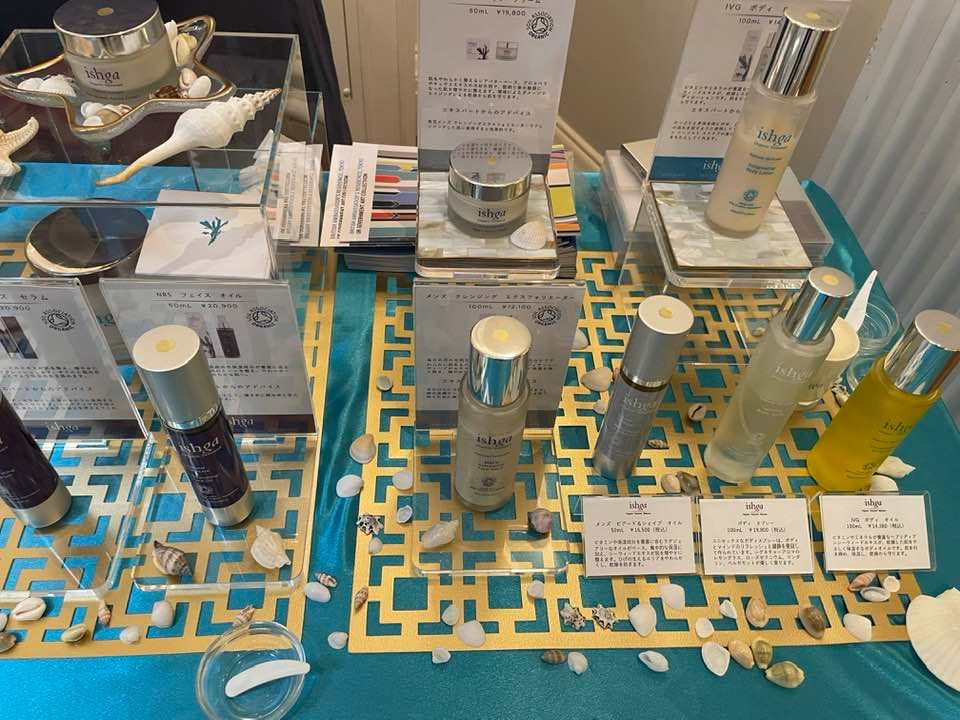












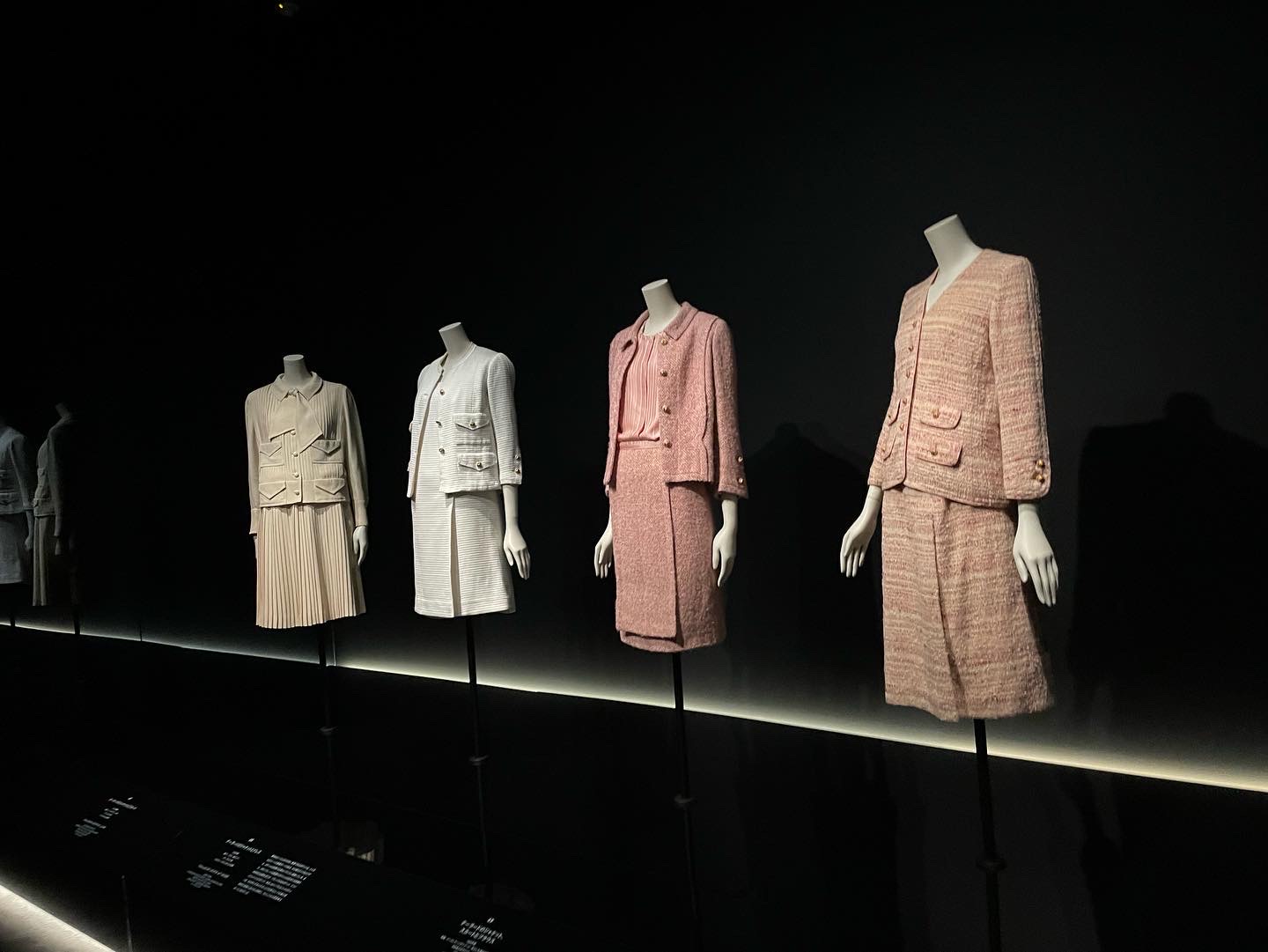
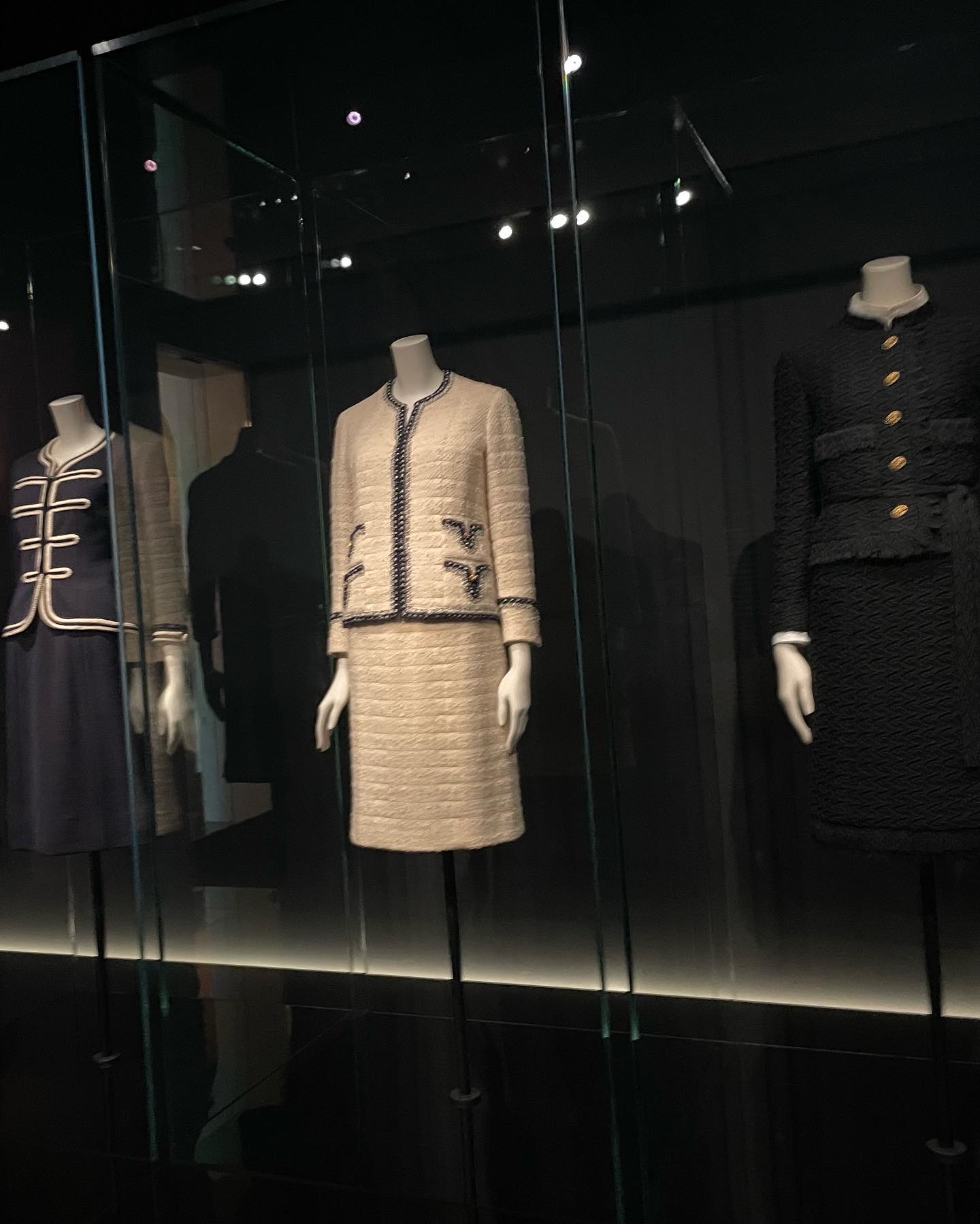
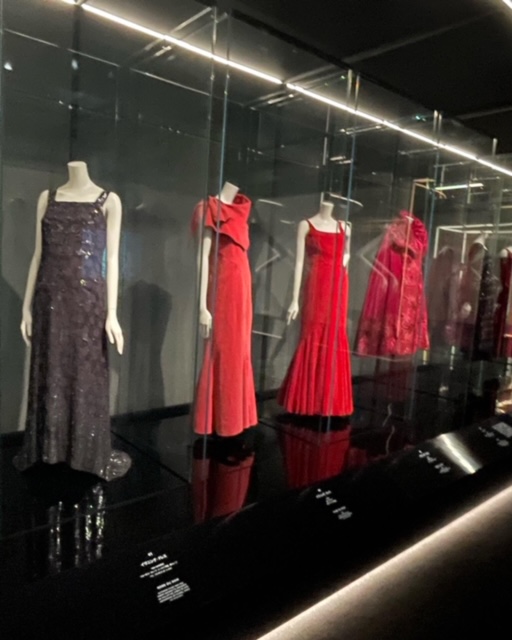
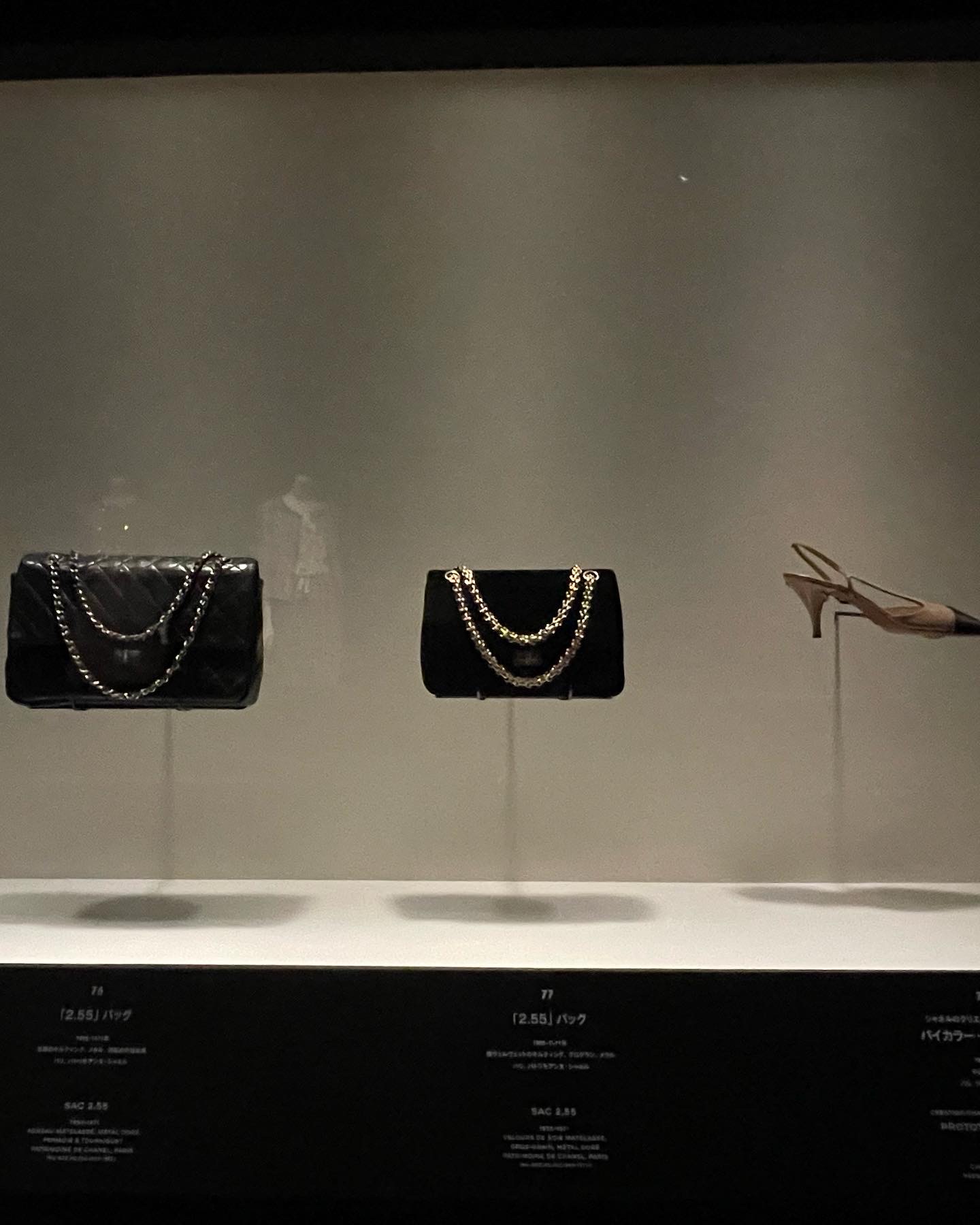


















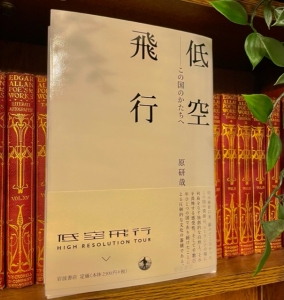






















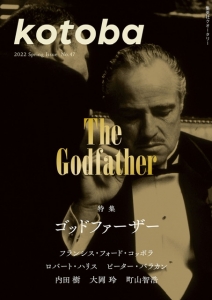
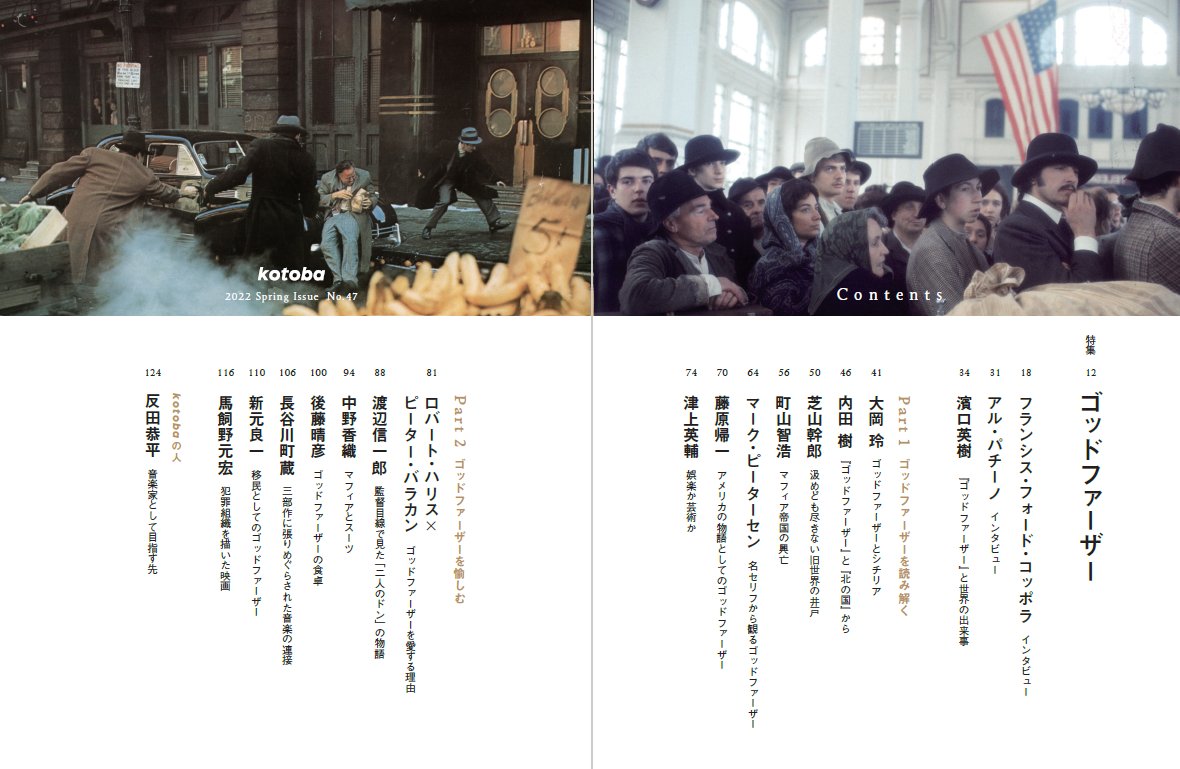
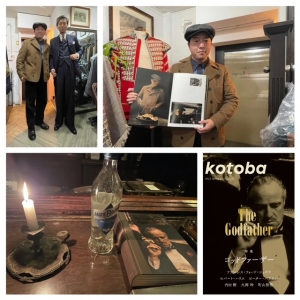


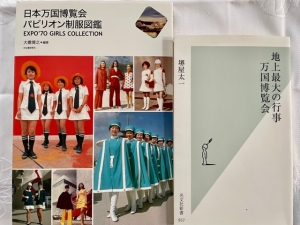


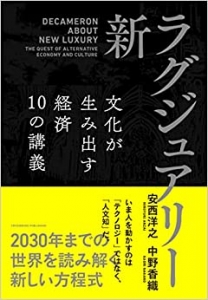
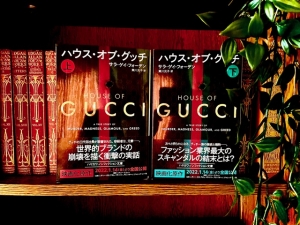
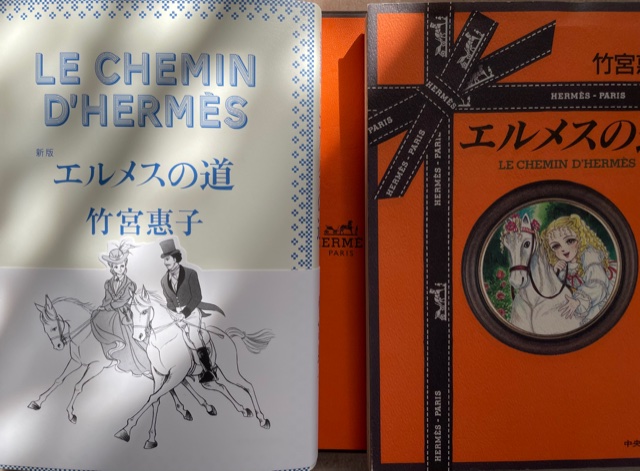
 評した本はこちらです。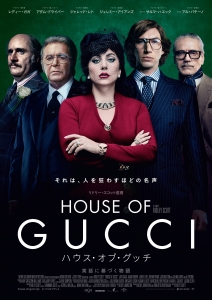

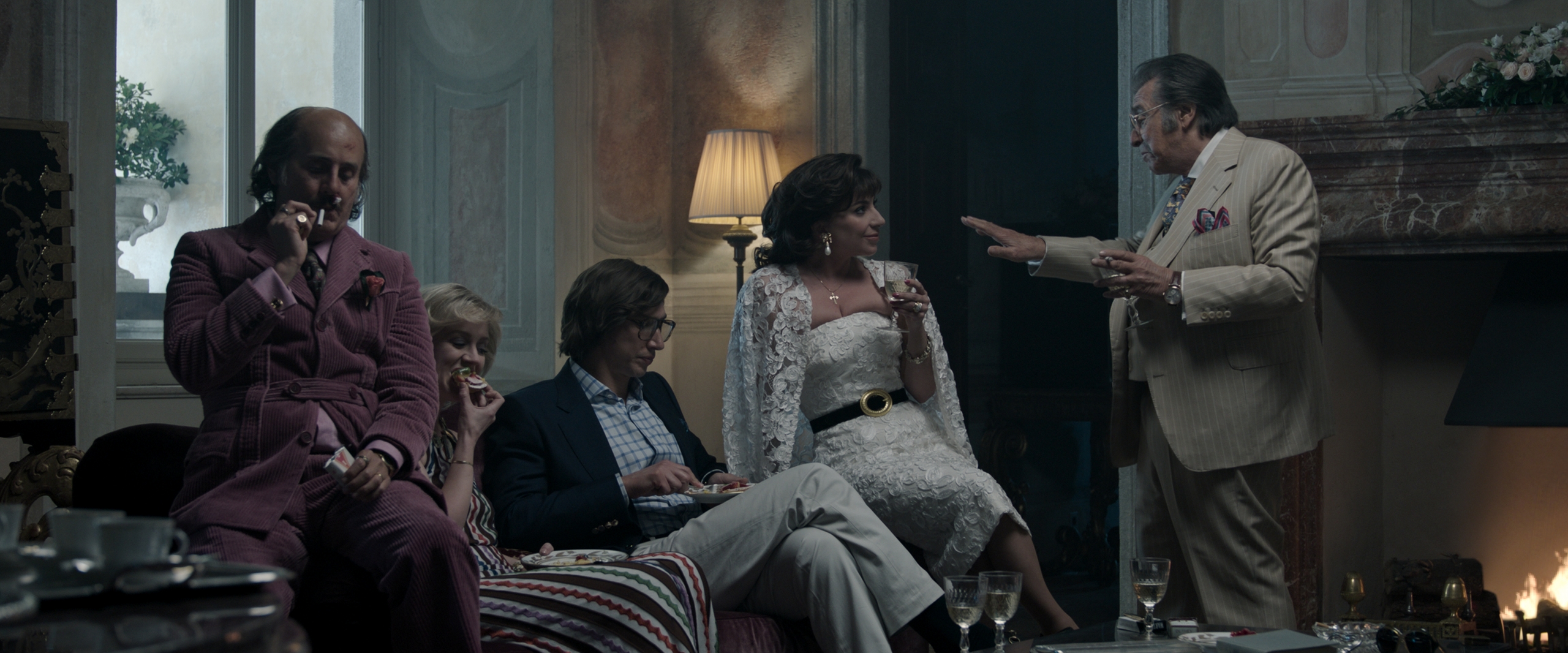
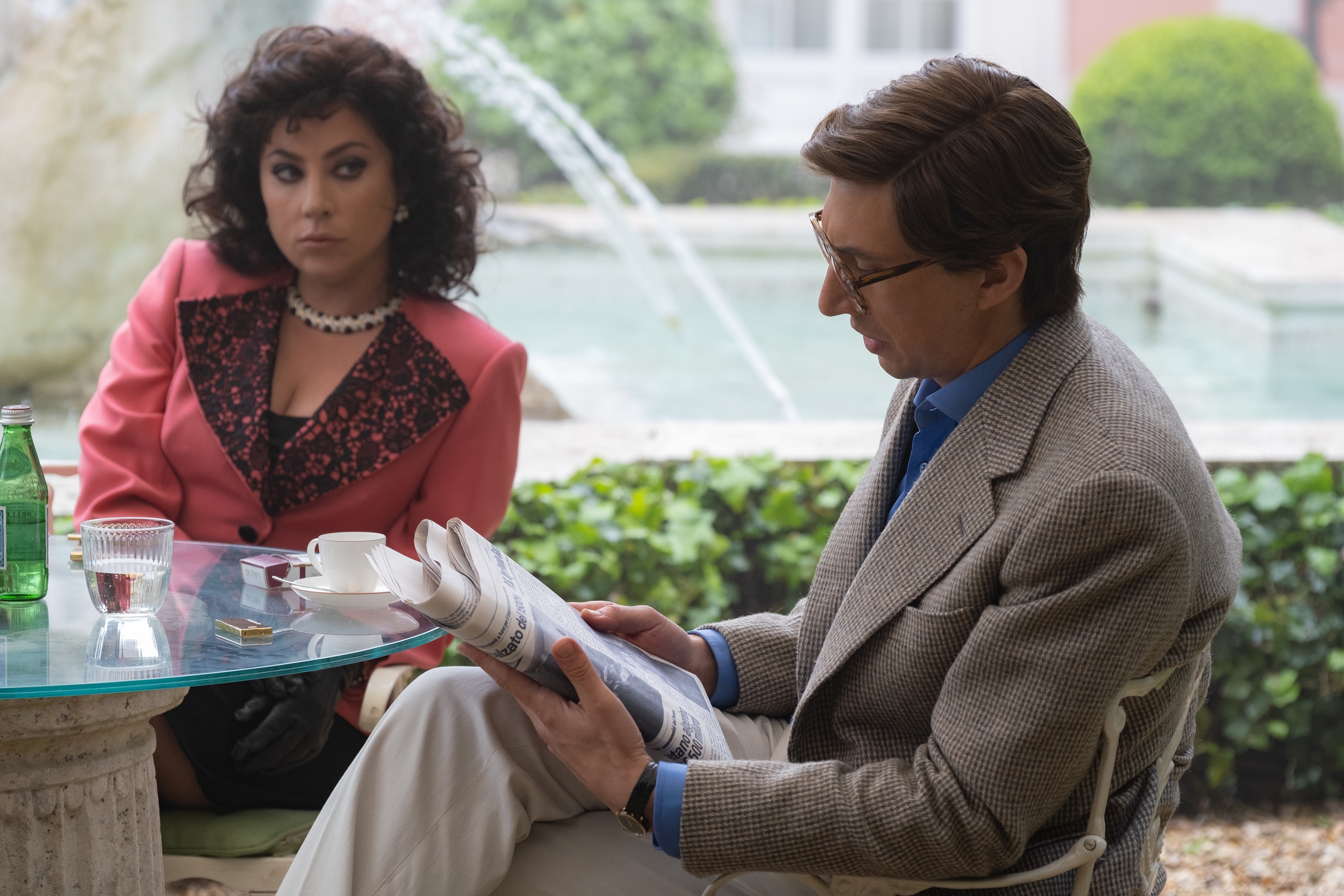

 あわせて読むとよりいっそう面白さが増す原作本。
 下巻末の解説も理解を深めてくれます。
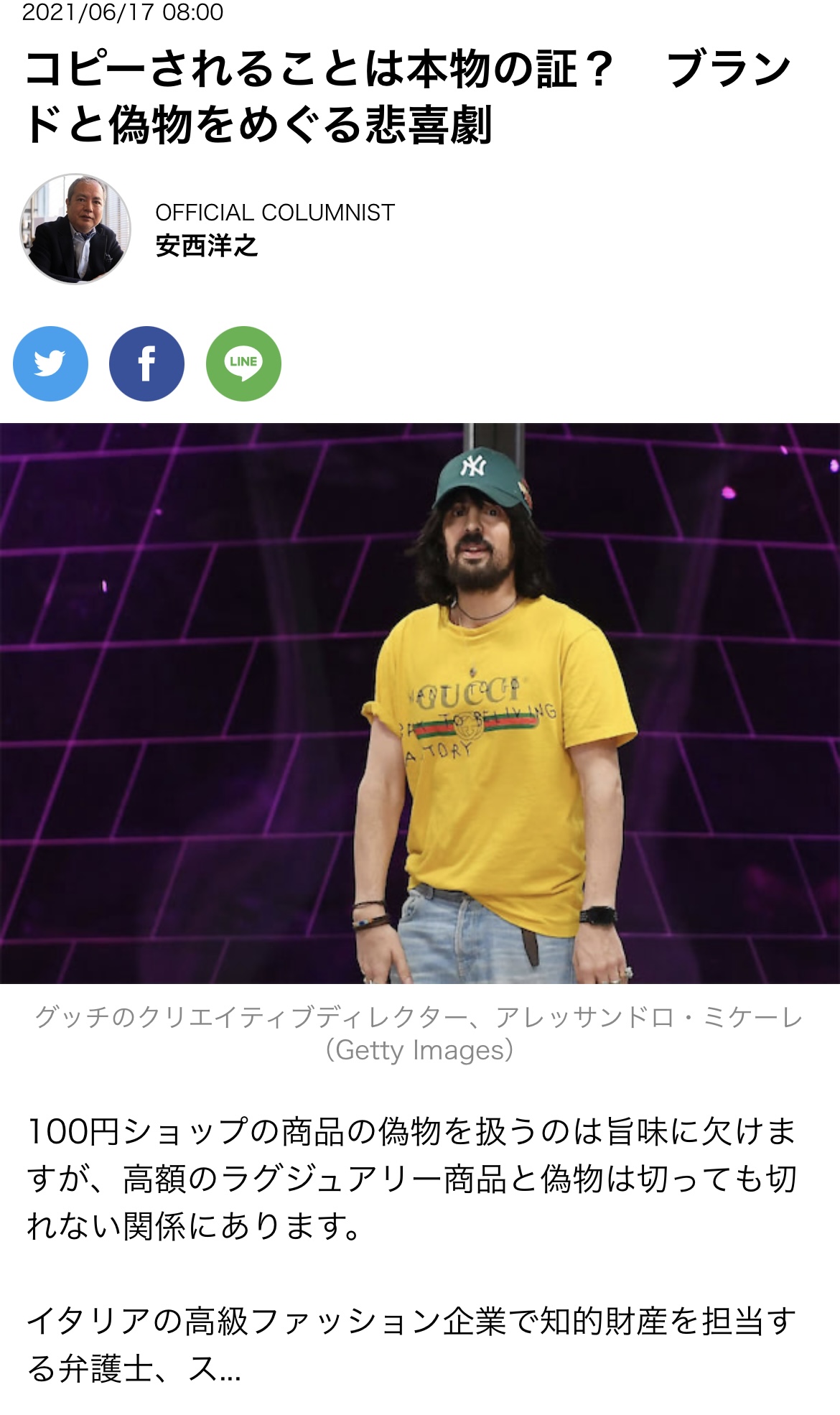
 映画の中に出てくるトム・フォード、ドメニコ・デ・ソーレ、アナ・ウィンター、カール・ラガーフェルドがどんな位置づけの人なのか? 占い師役のサルマ・ハエックの現実世界での夫がどんな人なのか(グッチを傘下におさめるケリングの会長)? 今のグッチをもりあげるアレッサンドロ・ミケーレはどんな仕事をしていて画期的なのか? いつからファッションのメインプレイヤーが資本家になったのか? などなどご参考になる点いろいろあるかと思います。電子書籍版もあり。












 (click to amazon)





 (click to amazon)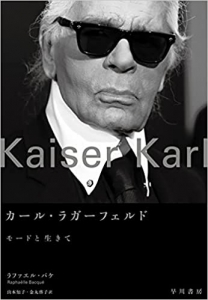

 (click to amazon)

 (click to amazon)

 (click to amazon)



 (click to amazon)
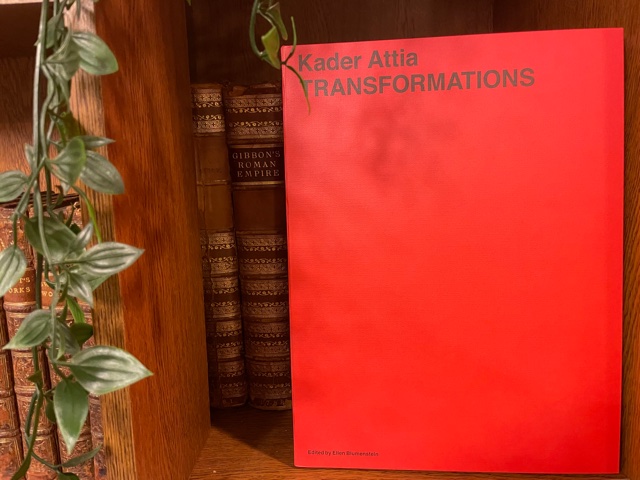

 (click to amazon)

 (click to amazon)

 (click to amazon)





 (to amazon)
 (to amazon)
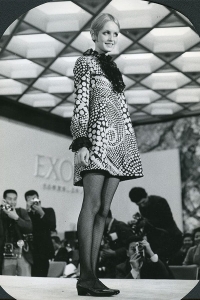



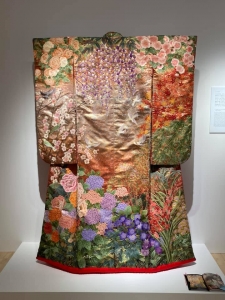

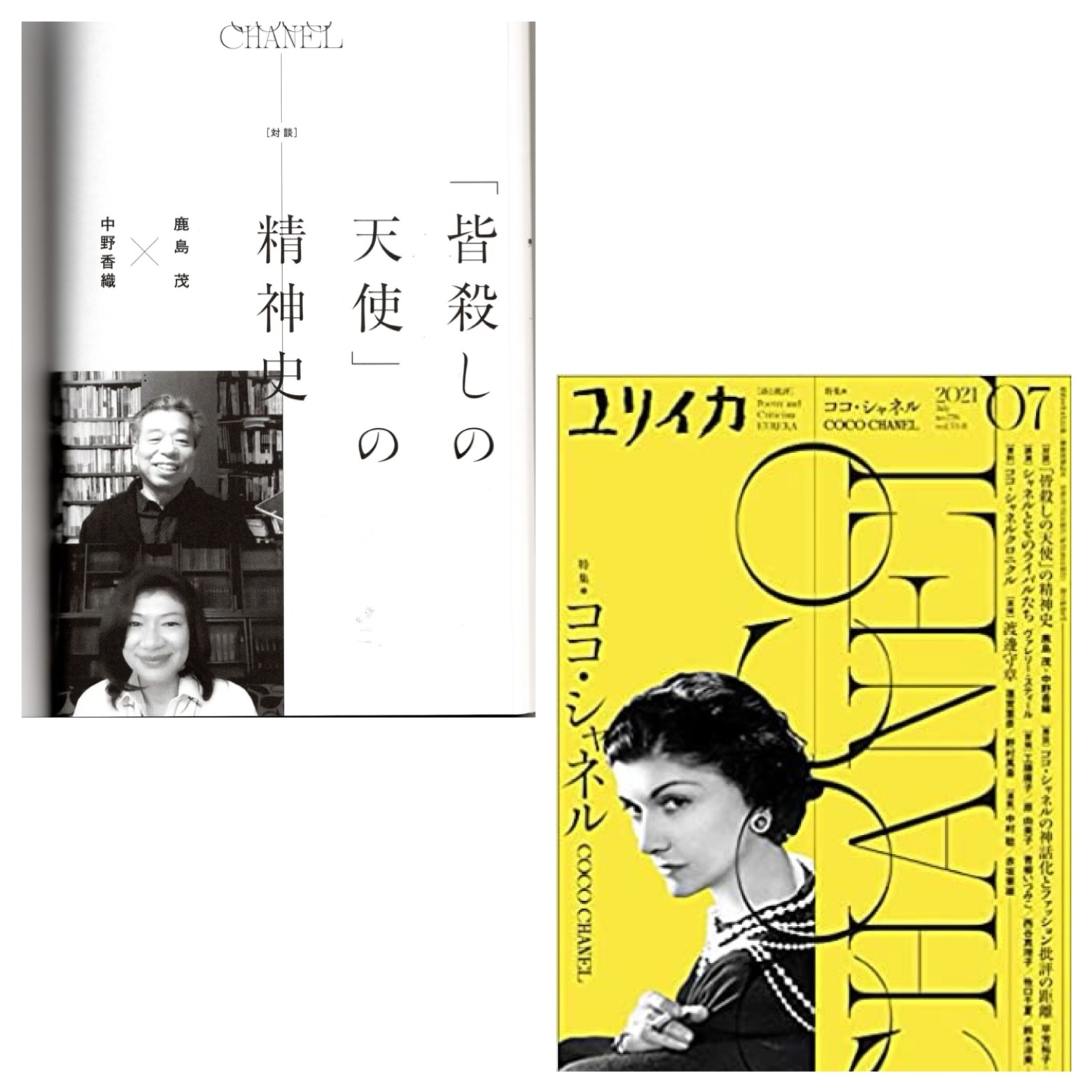









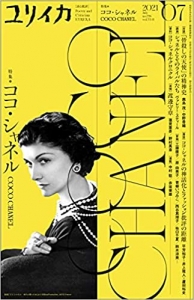









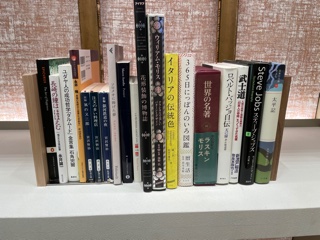






















 (Click to amazon)

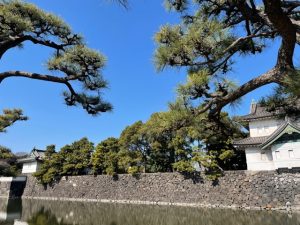

 仕事の企画のために読んだ本。図版が豊富、メニューも興味深い。王室史を食卓という角度から見ることができて楽しい。英国ファン、王室ファン、お料理ファンにもおすすめ。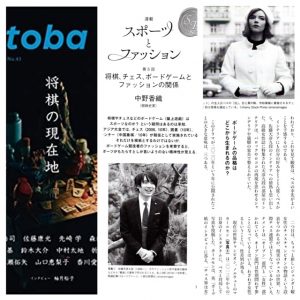

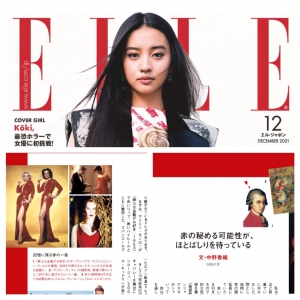
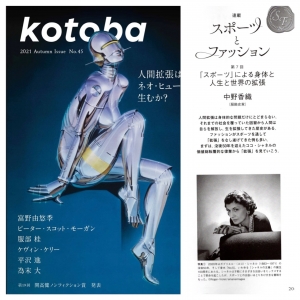
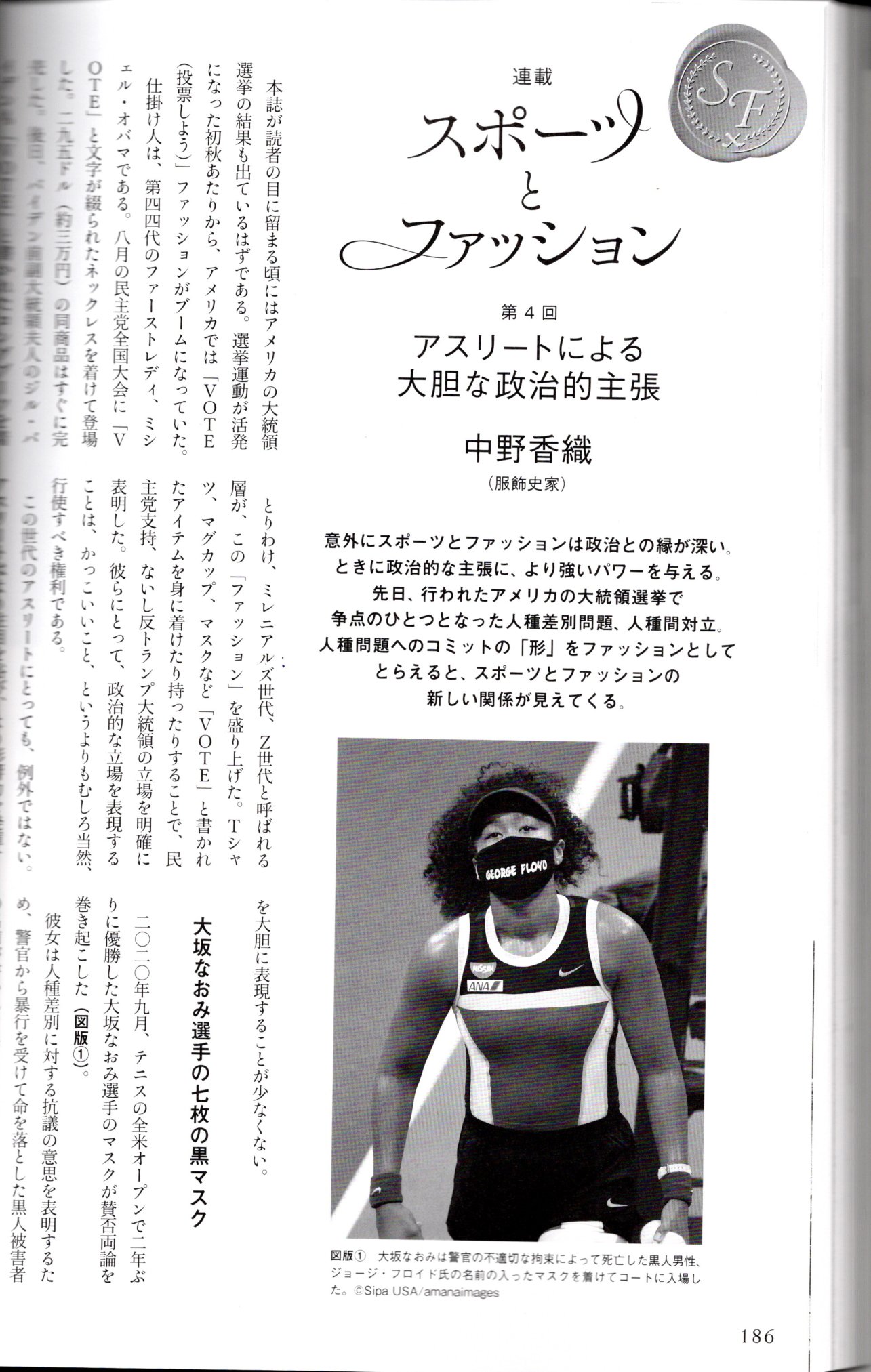
 集英社クオータリー kotoba 発売です。特集は、「将棋の現在地」。連載「スポーツとファッション」でボードゲームとファッションをテーマに書いております。8000字。よろしかったら本誌をご覧くださいませ。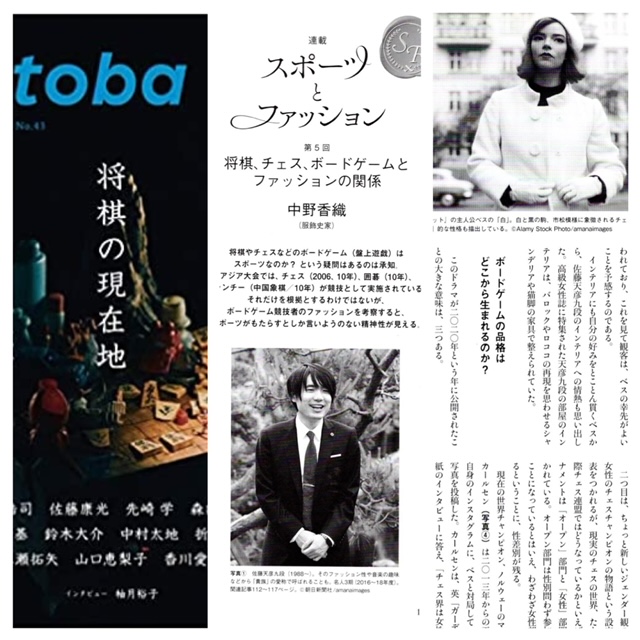

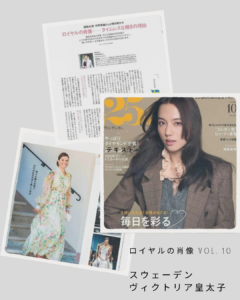
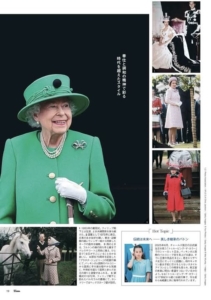
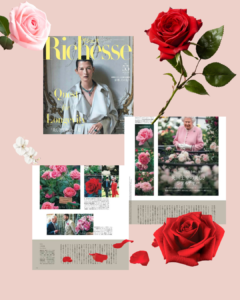
 25ans 4月号発売です。ご結婚10周年を迎えたキャサリン妃特集。「プリンセスの強さ」というテーマで解説しました。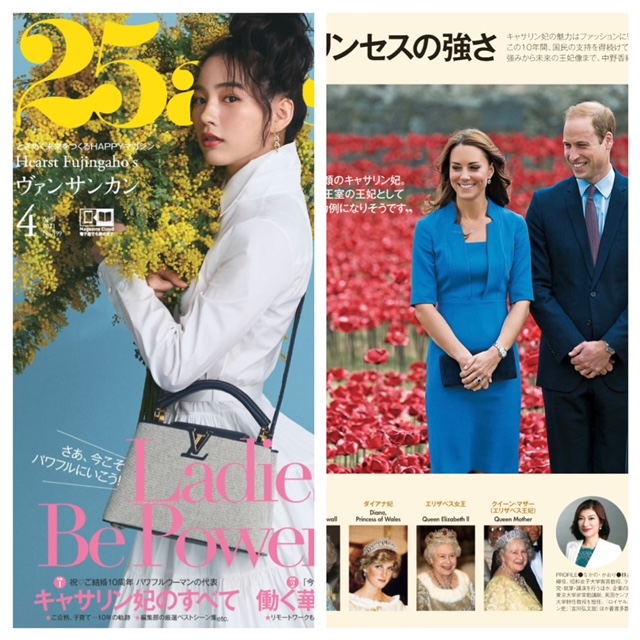


 トランプ大統領は「負け」を認めないことの見苦しさをいやというほど見せつけた。将棋の美しさは「負けました」と相手に向かて伝えるときの、人間としての美しいドラマを見ることにもある。



















 (Click to amazon) 特集は、司馬遼太郎。ファンは必読です。











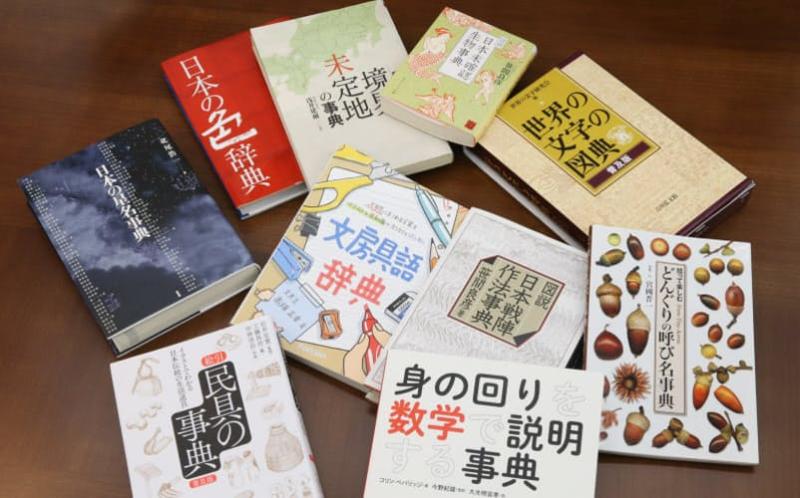



 (Click to amazon)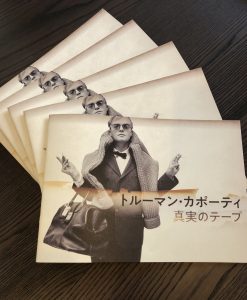







異文化リテラシーがますます重要になっていくこと
ファッションが農業と結びつかざるを得なくなっていくこと
政治(労使関係、国際政治問題、人権)との関わりを考えることがファッションにとって必須になっていくこと、など。
LVMHプライズの審査員として初回から関わり、世界の状況を肌感覚で知る第一人者としての栗野宏文さんに世界の話を、ヨーロッパ、とりわけイタリアの実情をリアルに知る安西さんの話を、中野が聞いてまとめています。ユナイテッドアローズの商品の話には一言もふれていません。国内でのビジネスもここでは一切議論にあげていません。世界に照準を据えて、スタートアップを考える方はぜひご一読ください。